Aspiring to regional domination, Iran is ready to escalate over Hormuz
Source Entity
Latest News: Today's Latest News Headlines from India & World | Hindustan Times | Hindustan Times
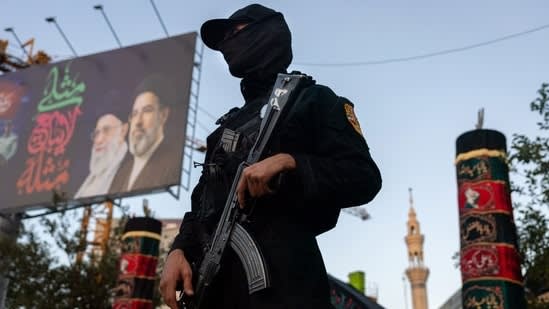
The latest round of U.S.-Iran violence led to the withdrawal of sanctions relief, but Iran nonetheless sees itself as a winner in a new Pax Iranica.
The Strategic Pivot: Iran's Quest for 'Pax Iranica'
The geopolitical landscape of the Middle East is currently witnessing a profound shift as Iran aggressively pursues a vision of regional domination. This ambition, conceptualized as a "Pax Iranica," suggests a regional order where Tehran serves as the primary security guarantor and political arbiter, effectively displacing Western—and specifically American—influence. The core of this strategy is not merely about territorial expansion, but about establishing a sustainable network of influence that allows Iran to project power from the Mediterranean to the Persian Gulf, ensuring its own survival while dictating the terms of regional engagement.
The Leverage of the Strait of Hormuz
Central to Iran's willingness to escalate is the strategic chokepoint of the Strait of Hormuz. As one of the world's most critical maritime arteries, the Strait is the primary transit route for a significant portion of the global oil supply. By signaling a readiness to disrupt this flow, Iran transforms a geographic advantage into a potent geopolitical weapon. The threat of closure or harassment of shipping serves as a deterrent against direct military intervention and a tool for coercive diplomacy. For Tehran, the Strait is the ultimate "pressure valve"; when diplomatic avenues close, the ability to destabilize global energy markets provides them with leverage that transcends traditional economic sanctions.
The Paradox of Sanctions and Victory
One of the most striking elements of the current crisis is Iran's perception of victory despite the withdrawal of U.S. sanctions relief. Traditionally, economic sanctions are designed to force a state toward compliance by inducing internal instability or economic collapse. However, the Iranian leadership appears to have internalized these pressures, shifting toward a "resistance economy" that reduces reliance on Western markets. By framing the withdrawal of sanctions relief as a badge of defiance rather than a failure, Iran has managed to consolidate domestic nationalist sentiment and signal to regional allies that it can withstand the most severe economic pressures the United States can apply.
Historical Context and the Shift in Power Dynamics
Historically, the Middle East has been characterized by a balance of power often maintained by external superpowers. The transition toward a potential Pax Iranica represents a departure from the Cold War era and the subsequent "Pax Americana." Iran's strategy leverages a combination of asymmetric warfare, proxy networks, and strategic patience. By filling the vacuum left by shifting U.S. priorities in the region, Iran has expanded its footprint in Iraq, Syria, and Yemen. This expansion is not accidental but a calculated effort to create a strategic depth that protects the Iranian heartland while allowing it to exert influence far beyond its borders.
Broader Implications for Global Security
The implications of an escalatory posture in the Strait of Hormuz extend far beyond the immediate borders of the Persian Gulf. A significant escalation could trigger a global energy crisis, leading to spiked oil prices and subsequent inflation in developed economies. Furthermore, such a move would likely force a realignment of regional alliances, potentially pushing Gulf monarchies into more rigid security pacts or, conversely, forcing them to find a precarious modus vivendi with Tehran. The risk of miscalculation is high; a tactical skirmish in the Strait could rapidly spiral into a full-scale conflict, drawing in multiple international actors.
Conclusion: The Precarious Path Forward
In summary, Iran's pursuit of regional domination is a sophisticated blend of ideological ambition and cold strategic calculation. By utilizing the Strait of Hormuz as a strategic shield and embracing the hardship of sanctions as a political tool, Tehran is attempting to rewrite the rules of engagement in the Middle East. While the U.S. continues to use economic levers to constrain Iran, the emergence of the Pax Iranica framework suggests that the traditional toolkit of sanctions may no longer be sufficient to deter a state that views regional hegemony as its primary existential goal. The coming years will likely be defined by a tense standoff between the remnants of Western regional leadership and Iran's ascending ambitions.
Verification Required?