‘No longer bound…’: Iran threatens to tear up MoU with US after ‘flagrant’ strikes
Source Entity
Latest News: Today's Latest News Headlines from India & World | Hindustan Times | Hindustan Times
Intelligence Synthesis
AI-Generated Core Insights
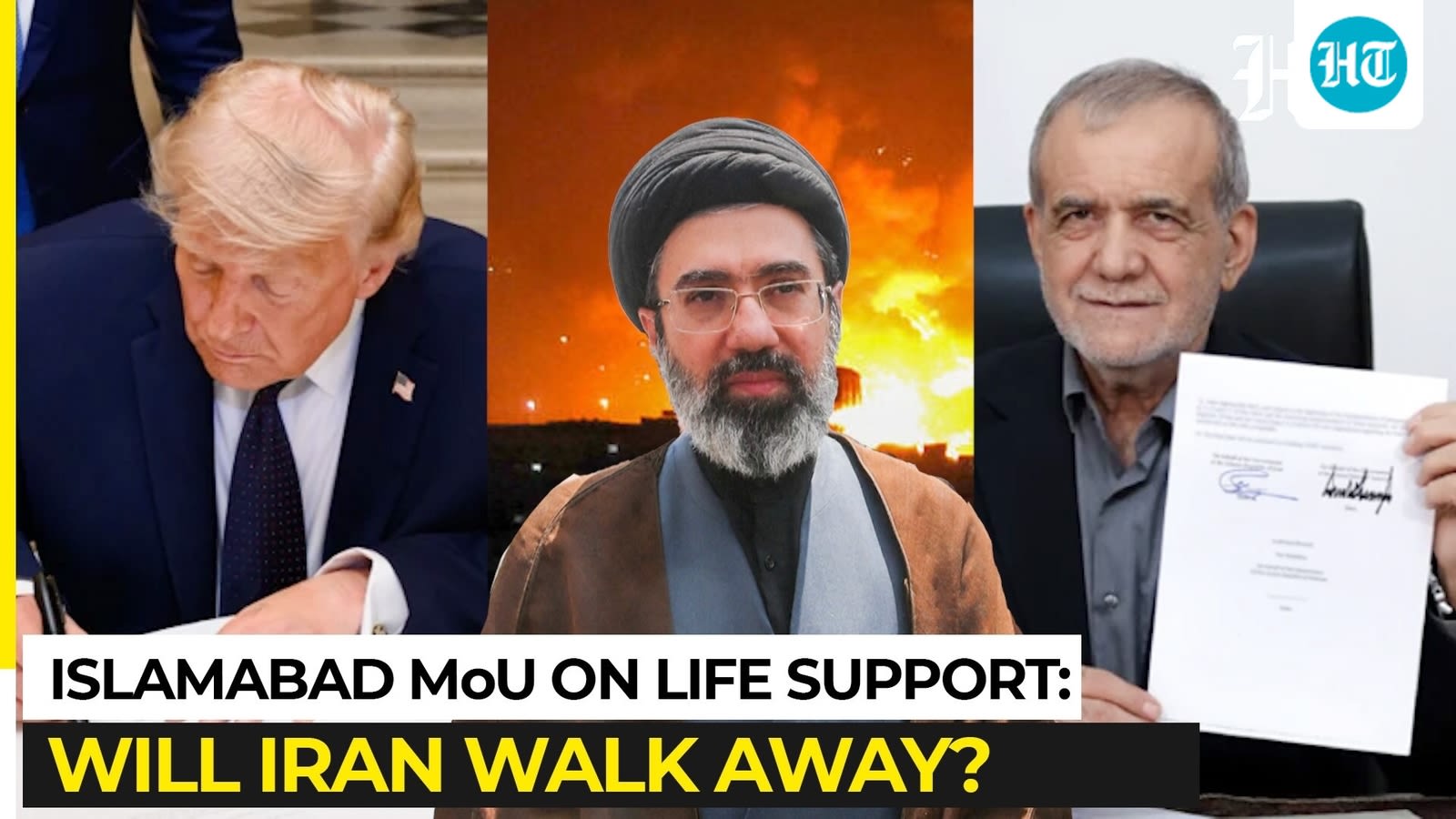
Iran's UN Ambassador, Amir Saeed Iravani, has warned that Tehran may abandon the Islamabad Memorandum of Understanding (MoU) with the United States, citing military strikes on Iranian territory and the imposition of renewed sanctions.
Escalating Tensions: Iran Threatens to Abandon Diplomatic Framework
The geopolitical landscape of the Middle East has entered a period of heightened volatility following statements from Iran’s Ambassador to the United Nations, Amir Saeed Iravani. The core of the current crisis centers on Tehran's assertion that the United States has committed "flagrant" violations of the Islamabad Memorandum of Understanding (MoU). By declaring that Iran may no longer consider itself bound by this agreement, Tehran is signaling a potential shift from diplomatic restraint to a more aggressive posture, effectively warning Washington that the cost of military intervention will be the total collapse of existing diplomatic guardrails.
The Catalyst: Military Strikes and Sanctions
At the heart of this diplomatic rupture are reports of U.S. military strikes conducted against Iranian territory. Ambassador Iravani’s rhetoric suggests that these actions are not viewed as isolated security operations but as fundamental breaches of the commitments outlined in the Islamabad MoU. This sentiment is further exacerbated by the imposition of renewed sanctions, which Iran views as economic warfare designed to destabilize its government. The convergence of kinetic military action and economic pressure has created a scenario where Tehran feels the MoU has been rendered obsolete by U.S. unilateralism, leaving the Iranian leadership with little incentive to adhere to the agreement's constraints.
The Nuclear Dimension and Legal Disputes
Crucially, this dispute is inextricably linked to Iran's nuclear program. During the UN Security Council session, Iravani defended Tehran's nuclear ambitions, framing them as a sovereign right and a necessary deterrent. The tension is not merely over military strikes but over the legal legitimacy of international oversight. By disputing the legal basis for the Security Council session itself, Iran is challenging the authority of the UN to mediate or penalize its actions, suggesting a growing disillusionment with multilateral diplomacy when it conflicts with national security interests.
Historical Context of U.S.-Iran Diplomacy
To understand the gravity of this threat, one must look at the historical cycle of "action-reaction" that has defined U.S.-Iran relations for decades. From the collapse of previous nuclear deals to the imposition of maximum pressure campaigns, the relationship has been characterized by a lack of trust. The Islamabad MoU represented a fragile attempt to maintain a baseline of communication and stability. However, the current threat to "tear up" the agreement follows a historical pattern where Iran responds to perceived Western aggression by accelerating its nuclear capabilities or increasing its regional influence to force a renegotiation of terms from a position of strength.
Future Implications and Regional Stability
Looking forward, the abandonment of the Islamabad MoU could trigger a dangerous escalation cycle. Without a governing memorandum, the risk of miscalculation between the two powers increases significantly. If Iran formally exits the agreement, the world may see an increase in asymmetric warfare, heightened tensions in the Strait of Hormuz, and a more rapid advancement of Iran's nuclear enrichment levels. The international community now faces a critical window where diplomatic intervention is required to prevent a total breakdown of communication, which could lead to a broader regional conflict involving other Middle Eastern allies of both superpowers.
Summary
In conclusion, Ambassador Iravani's warnings represent a critical inflection point in U.S.-Iran relations. The threat to void the Islamabad MoU is a direct response to military strikes and sanctions, reflecting a deep-seated distrust and a rejection of the current diplomatic framework. As Tehran defends its nuclear program and challenges the legality of UN proceedings, the possibility of a return to open hostility grows, making the stabilization of this relationship a primary concern for global security.
Verification Required?