Police, bulldozers deployed against Amaravati land-givers, alleges Jagan Mohan Reddy
Source Entity
India Latest News: Top National Headlines Today & Breaking News | The Hindu
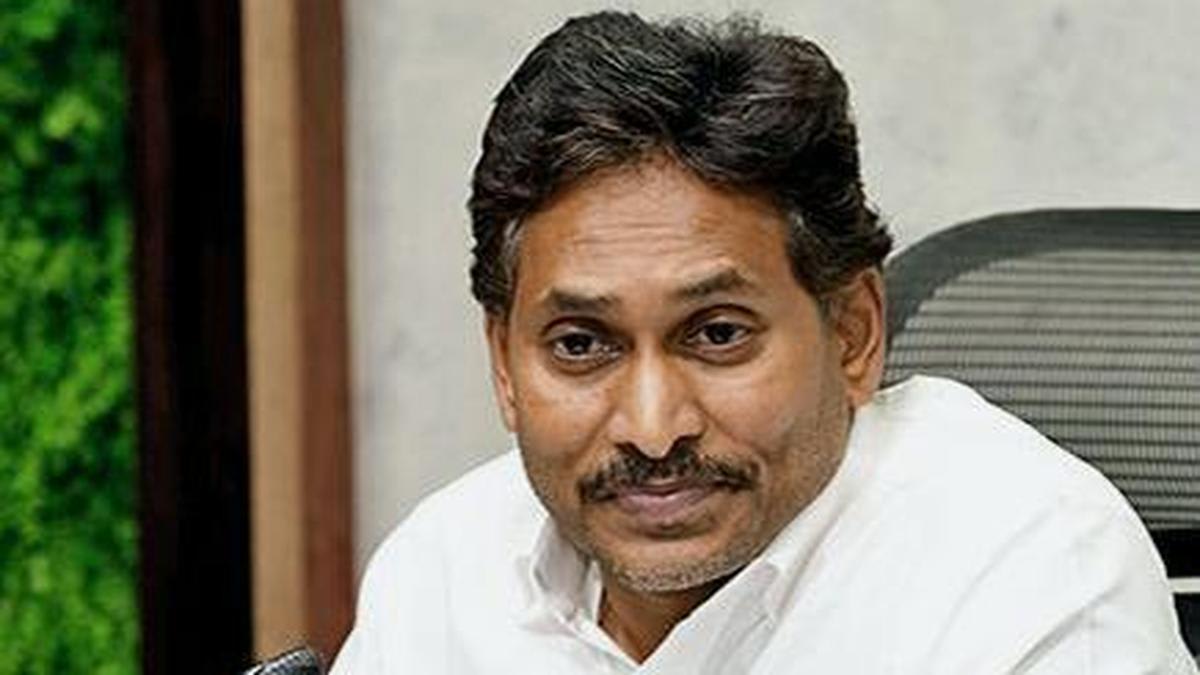
The YSRCP chief demands that the government should refrain from acquiring even a cent of land without the farmers’ consent
Political Friction Over Amaravati Land Acquisition
The recent allegations made by YSRCP chief Jagan Mohan Reddy regarding the deployment of police and bulldozers against farmers in Amaravati highlight a deepening political crisis in Andhra Pradesh. By claiming that the state machinery is being used to coerce land-givers, Reddy is positioning himself as a defender of agrarian rights against what he characterizes as state-sponsored intimidation. This conflict is not merely about land parcels but represents a fundamental clash over the vision of the state's capital and the methods used to achieve urban development.
The Core of the Conflict: Consent vs. Command
At the heart of this dispute is the principle of 'informed consent.' Jagan Mohan Reddy's demand that the government refrain from acquiring even a single cent of land without the farmers' agreement underscores a critical legal and ethical boundary in land acquisition. When a government utilizes police force or heavy machinery like bulldozers to clear land or suppress dissent, it often signals a shift from democratic negotiation to administrative imposition. This approach risks alienating the very stakeholders—the farmers—who are essential to the project's long-term viability and social legitimacy.
Historical Context and the Capital Tug-of-War
To understand the gravity of these allegations, one must look at the volatile history of the Amaravati project. The project was originally the flagship vision of the Telugu Desam Party (TDP), which envisioned a world-class, planned city. However, when the YSRCP came to power, Jagan Mohan Reddy proposed a 'three-capital' model to decentralize development, which effectively stalled the Amaravati project and left many land-giving farmers in a state of limbo. The current revival of the Amaravati project by the succeeding administration has reignited these tensions, as the government attempts to reclaim and develop land that has been the subject of years of political flip-flopping.
Analysis of State Machinery Deployment
The mention of 'bulldozers' is particularly symbolic in the current Indian political landscape, often serving as a shorthand for summary demolition and state overreach. If these allegations are accurate, the deployment of such machinery suggests an urgency on the part of the government to fast-track construction, potentially at the expense of due process. The use of police force to manage land-givers indicates a breakdown in communication between the administration and the rural populace, turning a development project into a security operation.
Broader Implications for Land Governance
This situation reflects a broader national struggle regarding land acquisition for infrastructure. The tension between the 'greater public good' (the creation of a capital city) and 'individual property rights' is a recurring theme in Indian politics. By focusing on the lack of consent, the YSRCP is tapping into a powerful narrative of rural dispossession. If the government continues to be perceived as using force, it may face significant legal challenges in the courts, as the Right to Fair Compensation and Transparency in Land Acquisition, Rehabilitation and Resettlement Act provides strict guidelines that cannot be bypassed through police action.
Future Trends and Predictions
Moving forward, this conflict is likely to manifest in two ways: intensified grassroots protests and a series of protracted legal battles. We can expect the YSRCP to leverage these incidents to build a narrative of 'anti-farmer' governance, which could influence future electoral cycles. Conversely, the government will likely attempt to justify its actions as necessary for the state's economic progress. The resolution will depend on whether the administration shifts toward a more consultative approach or continues with a top-down enforcement strategy.
Conclusion
In summary, Jagan Mohan Reddy's allegations bring to light the precarious nature of the Amaravati project. The intersection of political rivalry, land rights, and state power has created a volatile environment where the farmers are caught in the middle. The demand for explicit consent serves as a reminder that sustainable urban development cannot be achieved through coercion, but requires a transparent and mutually beneficial agreement between the state and its citizens.
Verification Required?