Karnataka police clarify SC/ST grievance meetings are for the public, not police personnel
Source Entity
India Latest News: Top National Headlines Today & Breaking News | The Hindu
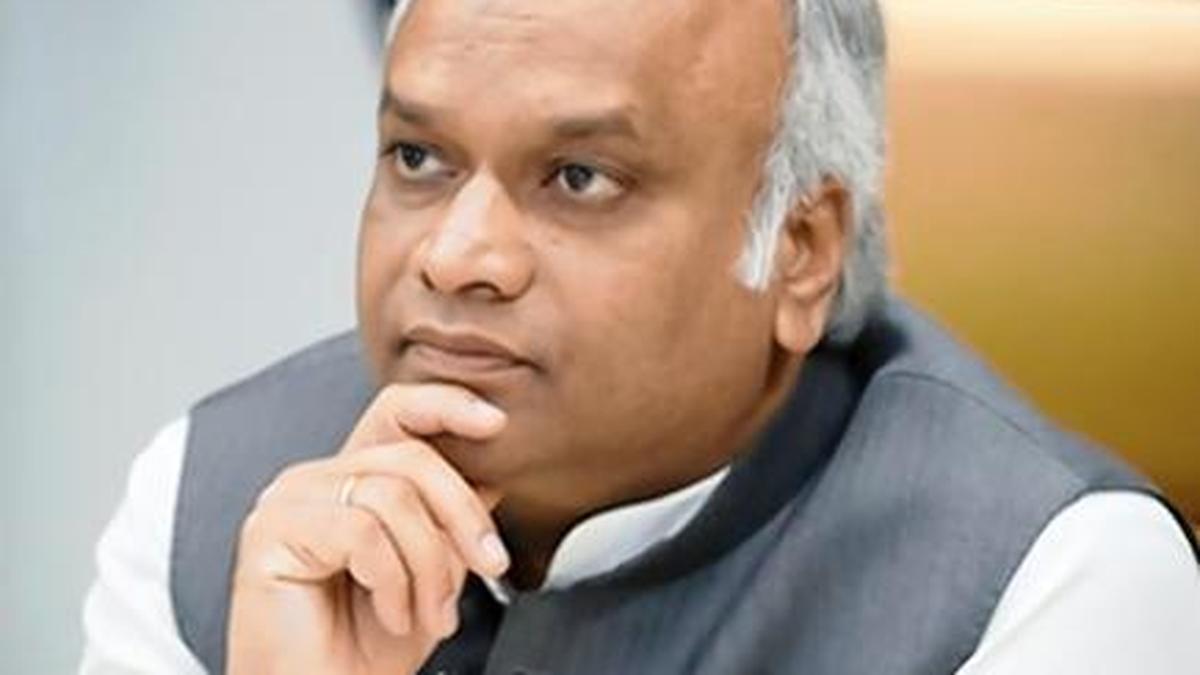
The police said the earlier reference to “police officers and personnel” was incorrect and has now been rectified. The meetings are exclusively intended as a public outreach initiative to safeguard the rights and welfare of SC/ST citizens.
Clarifying Public Outreach: Karnataka Police Rectify SC/ST Grievance Protocols
In a significant administrative correction, the Karnataka police have issued a clarification regarding the nature and intended audience of grievance meetings organized for Scheduled Castes (SC) and Scheduled Tribes (ST) communities. The department acknowledged that a previous communication erroneously stated that these meetings were for "police officers and personnel." This correction is not merely a semantic update but a critical realignment of a public service initiative designed to foster trust and accessibility between law enforcement and marginalized communities.
The Criticality of Clear Communication in Social Justice
The distinction between an internal departmental meeting and a public outreach forum is profound. When government communications are ambiguous, it can create a barrier to entry for the very citizens the programs are designed to protect. By explicitly stating that these meetings are "exclusively intended as a public outreach initiative," the Karnataka police are attempting to remove any perceived bureaucratic hurdles that might discourage SC/ST citizens from reporting grievances or seeking assistance. In the context of social justice, clarity in communication is a prerequisite for accessibility.
Legal and Social Context of SC/ST Protections
To understand the weight of this clarification, one must consider the broader legal framework in India, specifically the Scheduled Castes and the Scheduled Tribes (Prevention of Atrocities) Act. This legislation is designed to prevent crimes against these communities and provide them with a mechanism for seeking justice. Public grievance meetings serve as a vital bridge, allowing the police to monitor the implementation of these laws on the ground and ensuring that victims have a direct line of communication with authorities without the intimidation often associated with formal police station environments.
Addressing the Trust Deficit
Historically, marginalized communities have often viewed law enforcement with skepticism due to systemic biases and historical grievances. The shift in focus from "police personnel" to "the public" signals an effort to pivot toward a community-policing model. By positioning these meetings as a means to "safeguard the rights and welfare" of SC/ST citizens, the department is acknowledging its role not just as an enforcement agency, but as a protector of constitutional rights. Such initiatives are essential for reducing the trust deficit and encouraging marginalized groups to engage with the state.
Administrative Accountability and Transparency
The act of publicly rectifying an error demonstrates a level of administrative accountability. Rather than allowing the incorrect information to persist or quietly changing the protocol, the police department's decision to clarify the mistake suggests a commitment to transparency. This ensures that there is no confusion among local administrators or the public, thereby preventing the potential misuse of these forums or the accidental exclusion of the intended beneficiaries.
Future Implications for Public Policing
Looking forward, this event highlights the need for more rigorous vetting of public notices issued by state agencies. As Karnataka continues to implement social welfare and protection schemes, the integration of public-facing grievance cells will likely become more formalized. The success of these meetings will depend on consistent outreach and the ability of the police to translate these discussions into actionable justice. If managed correctly, this model of direct public engagement can serve as a blueprint for other state police forces seeking to improve their relationship with vulnerable populations.
Summary
By correcting the record, the Karnataka police have reaffirmed that their grievance meetings are a citizen-centric tool for the empowerment and protection of SC/ST communities. This move underscores the importance of precise communication in governance and the ongoing effort to make the justice system more inclusive and responsive to the needs of marginalized citizens.
Verification Required?