J&K: Kashmiri Pandit's eatery sparks 'ghar wapsi' calls
Source Entity
NASEER GANAI
Intelligence Synthesis
AI-Generated Core Insights
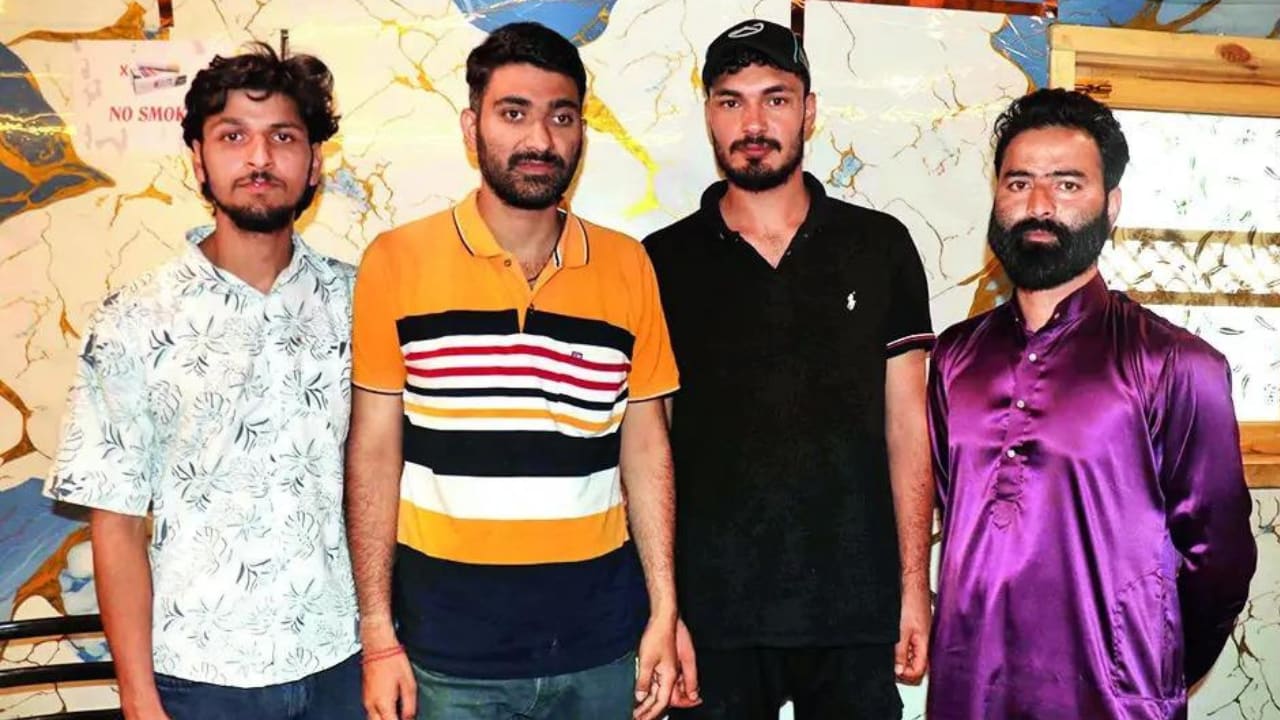
Akash Dhar, a visually impaired Kashmiri Pandit, has opened a restaurant in Langate, J&K. Supported by local residents and diverse customers, the eatery serves as a symbol of hope for the return of Kashmiri Pandit migrants to the region.
A New Chapter in Langate: The Story of Akash Dhar
The opening of a small eatery in Langate by Akash Dhar, a visually impaired Kashmiri Pandit, has emerged as more than just a local business launch; it has become a profound symbol of social reintegration and communal harmony. In a region often defined by its complex history of displacement and tension, Dhar's initiative represents a quiet but powerful step toward normalcy and mutual respect between different communities. The success of this venture is not merely measured in sales, but in the social bridges being built through daily interaction.
Resilience Amidst Adversity
Akash Dhar’s journey is particularly poignant due to his visual impairment. Starting a service-oriented business like a restaurant requires immense coordination, sensory awareness, and logistical management. His ability to navigate these challenges to establish a successful establishment in Langate speaks to a level of personal resilience that resonates deeply with both his community and his neighbors. This personal triumph serves as a testament to the idea that individual agency and entrepreneurship can drive significant social change even in the face of physical and historical obstacles.
The Fabric of Community Support
One of the most striking aspects of this development is the reception Dhar has received. Instead of facing the friction sometimes associated with the return of displaced populations, he has been met with warmth from local residents and his landlord. The fact that his eatery attracts customers from various religious and social backgrounds suggests a growing appetite for cross-community engagement. This organic integration through commerce provides a blueprint for how economic interdependence can bridge historical divides and foster a sense of shared belonging in the valley.
Historical Context and the 'Ghar Wapsi' Sentiment
To understand the weight of this event, one must consider the historical context of the Kashmiri Pandit exodus. For decades, the displacement of the Pandit community has been a central wound in the socio-political fabric of Jammu and Kashmir. The term 'ghar wapsi' (return to home) in this context is not merely a political slogan but a deeply personal aspiration for many families. Dhar’s success provides a tangible, localized example of what a successful return could look like—one rooted in economic participation, community acceptance, and the normalization of daily life.
Future Trends: Economic Integration as a Catalyst
Looking forward, the success of the Langate eatery may serve as a catalyst for further migration of Kashmiri Pandits back to the valley. As more individuals see successful models of integration and business ownership, the perceived risks of returning may begin to diminish. This trend suggests that grassroots economic initiatives, rather than just high-level political negotiations, may play a crucial role in the long-term stabilization and demographic healing of the region. Small-scale entrepreneurship acts as a low-stakes, high-impact method for rebuilding trust.
Conclusion
In summary, while the scale of Akash Dhar's restaurant is modest, its impact is monumental. By breaking barriers of disability, community, and history, the eatery in Langate stands as a beacon of hope. It demonstrates that through entrepreneurship and community acceptance, the path toward reconciliation and the return of displaced populations can be paved with shared prosperity and mutual respect.