Kim Jong Un’s Summer Project: Renovating His Mansions
Source Entity
Latest News: Today's Latest News Headlines from India & World | Hindustan Times | Hindustan Times
Intelligence Synthesis
AI-Generated Core Insights
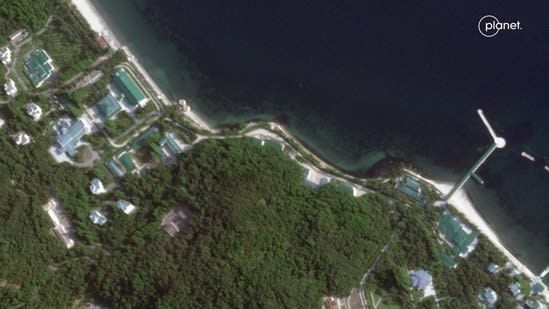
Satellite imagery has revealed extensive renovations across nine of Kim Jong Un's luxury compounds, underscoring the stark disparity between the North Korean leader's opulent lifestyle and the economic hardships faced by the general population.
The Opulence of Isolation: Analyzing Kim Jong Un's Luxury Renovations
Recent satellite imagery has provided a rare glimpse into the private expenditures of the North Korean regime, revealing a coordinated effort to renovate at least nine of Kim Jong Un's luxury compounds. This "summer project" is more than a mere home improvement exercise; it serves as a potent symbol of the enduring disparity between the ruling elite and the North Korean populace. In a nation where the state frequently emphasizes the need for "self-reliance" and austerity in the face of international sanctions, the visible investment in the leader's personal comfort highlights a profound contradiction in the regime's internal logic.
The Role of Satellite Intelligence in Monitoring a Closed State
Because North Korea is one of the most opaque nations on Earth, analysts rely heavily on Open Source Intelligence (OSINT) and high-resolution satellite imagery to track regime activity. The identification of construction activity across nine separate locations indicates a systemic allocation of labor and materials. These renovations often involve the expansion of living quarters, the addition of leisure facilities, and the reinforcement of security perimeters. The ability of external observers to pinpoint these upgrades demonstrates that despite the regime's efforts to hide the leader's movements and residences, the physical footprint of luxury is impossible to completely mask from orbital surveillance.
Symbolism of the "Summer Project" and Dynastic Power
Historically, the Kim dynasty has utilized lavish architecture and secluded estates to cultivate an aura of mystique and semi-divinity. By maintaining a network of sprawling summer retreats and luxury villas, Kim Jong Un continues a tradition started by his grandfather, Kim Il Sung, and father, Kim Jong Il. These compounds are not merely residences but are tools of political theatre, used to host high-ranking officials and foreign dignitaries in settings that project absolute power and wealth. The scale of the current renovations suggests a desire to further modernize these assets, ensuring they remain fitting monuments to the regime's perceived prestige.
Economic Disparity and Resource Mismanagement
From an analytical perspective, the timing of these renovations is particularly striking. North Korea continues to struggle with chronic food insecurity, crumbling infrastructure in rural provinces, and the lingering economic effects of strict COVID-19 border closures. The diversion of high-quality construction materials, specialized labor, and financial resources toward nine luxury sites reveals a prioritization of the leader's personal comfort over national welfare. This "dual economy"—where a small circle of loyalists enjoys luxury imports and modern amenities while the masses endure scarcity—is a critical vulnerability that can fuel internal resentment over the long term.
Geopolitical Implications and Sanctions Evasion
These renovations also raise questions regarding the procurement of luxury materials. Many of the high-end finishes and construction technologies required for such opulent upgrades are prohibited under UN Security Council sanctions aimed at curbing the regime's nuclear ambitions. The presence of new, luxury upgrades suggests that the regime maintains sophisticated smuggling networks or state-sponsored procurement channels that bypass international restrictions. This indicates that sanctions, while impacting the broader economy, often fail to penetrate the inner sanctum of the Kim family's personal finances.
Conclusion: The Architecture of Autocracy
In summary, the renovation of nine luxury compounds is a physical manifestation of the North Korean political structure: highly centralized, secretive, and profoundly unequal. While the world focuses on the regime's missile tests and diplomatic posturing, the internal focus on "summer projects" reveals a leadership that remains insulated from the hardships of its people. These architectural upgrades ensure that the leader's environment remains an oasis of luxury, reinforcing the psychological and physical barriers between the dictator and the citizens he governs. As long as these luxury projects continue, they will serve as enduring evidence of the regime's commitment to dynastic opulence over state development.
Verification Required?