Lion drags away 12-year-old boy trekking to Gujarat’s Ambaji temple, route shut
Source Entity
Aditi Raja
Intelligence Synthesis
AI-Generated Core Insights
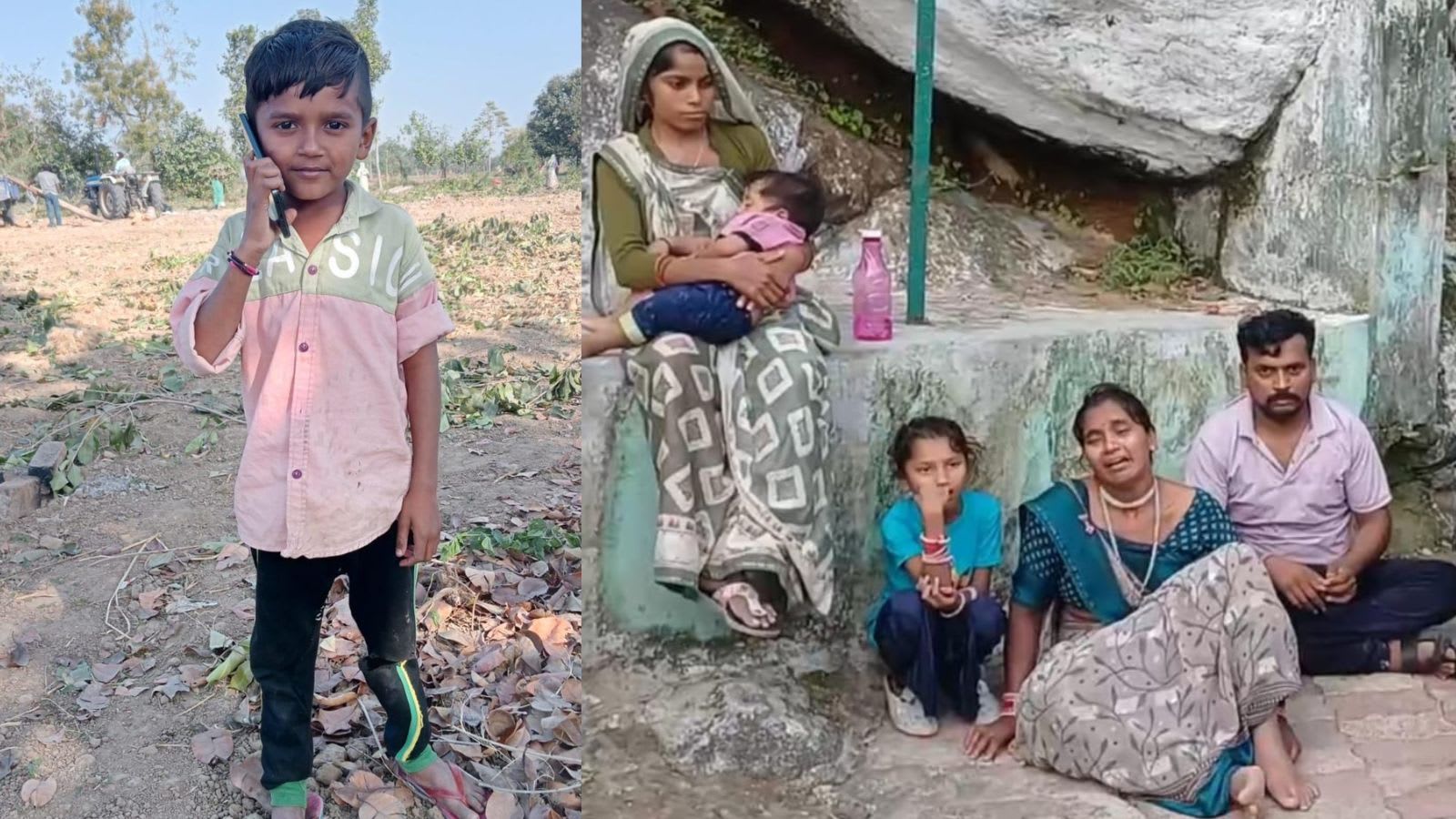
A 12-year-old boy was tragically dragged away by a lion during a pilgrimage trek to the Ambaji temple in Gujarat, leading authorities to shut down the trekking route to prevent further attacks.
Tragedy in the Wild: Analysis of the Lion Attack on Ambaji Temple Trek
What was intended to be a spiritual journey ended in horror this past Saturday when a 12-year-old boy was attacked and dragged away by a lion during a trek to the Ambaji temple in Gujarat. The incident occurred barely 50 steps into the trek, highlighting the immediate and unpredictable danger present in the region's wildlife-dense corridors. The suddenness of the attack not only resulted in a devastating loss but also sparked widespread panic among pilgrims, forcing authorities to take the immediate step of shutting down the trekking route to ensure public safety.
The Reality of Human-Wildlife Conflict in Gujarat
This incident is a stark reminder of the ongoing challenges associated with human-wildlife conflict in Gujarat. The state is the sole home of the Asiatic lion, and as the lion population grows and their natural habitats shrink or fragment, these apex predators are increasingly venturing into areas frequented by humans. The fact that a lion was encountered so close to a known trekking path suggests a significant overlap between wildlife territories and human activity. This overlap is often exacerbated during peak pilgrimage seasons when the volume of foot traffic increases, potentially stressing local wildlife or drawing predators toward human settlements and paths.
The Intersection of Faith and Nature
Religious trekking is a deeply rooted tradition in India, where devotees often traverse rugged, forested terrain to reach sacred shrines. However, the Ambaji temple route demonstrates the inherent risks when spiritual practice intersects with wild habitats. In many cases, pilgrims may be unaware of the behavioral patterns of local wildlife or may lack the necessary guidance to navigate these areas safely. The tragedy underscores a critical gap in safety infrastructure; while the route is open for devotees, the presence of high-risk predators necessitates a more robust system of warnings, guided patrols, and physical barriers to prevent such catastrophic encounters.
Emergency Response and Route Closures
Following the attack, the decision to shut the route was a necessary, albeit reactive, measure. Route closures are standard protocol to prevent secondary attacks, as predators may remain in the vicinity after a successful kill. However, from an administrative perspective, this raises questions about why such a route remained open without adequate security if lion activity was known in the area. The immediate closure serves as a temporary fix, but the long-term challenge lies in determining whether the route can ever be safely reopened to the general public without significant modifications to how the trek is managed.
Broader Implications for Conservation and Safety
This event highlights the delicate balance between wildlife conservation and human safety. While the protection of the Asiatic lion is a global conservation priority, the safety of local citizens and pilgrims cannot be compromised. This incident will likely lead to increased pressure on forest officials to implement more stringent monitoring, such as the use of camera traps and drones to track lion movements in real-time. Furthermore, it may prompt a re-evaluation of trekking permits and the mandatory requirement of forest guards to accompany groups through high-risk zones.
Summary and Future Outlook
The attack on the 12-year-old boy is a heartbreaking event that exposes the vulnerabilities of humans venturing into predator-heavy landscapes. As Gujarat continues to manage its unique lion population, the integration of safety technology and stricter zoning of pilgrimage routes will be essential. The closure of the Ambaji trek is a sobering reminder that nature's boundaries must be respected, and the safety of devotees must be prioritized through proactive management rather than reactive closures.