Civic body blames rain for Moshi building collapse, demand for FIR cuts across party lines
Source Entity
Manoj Dattatrye More
Intelligence Synthesis
AI-Generated Core Insights
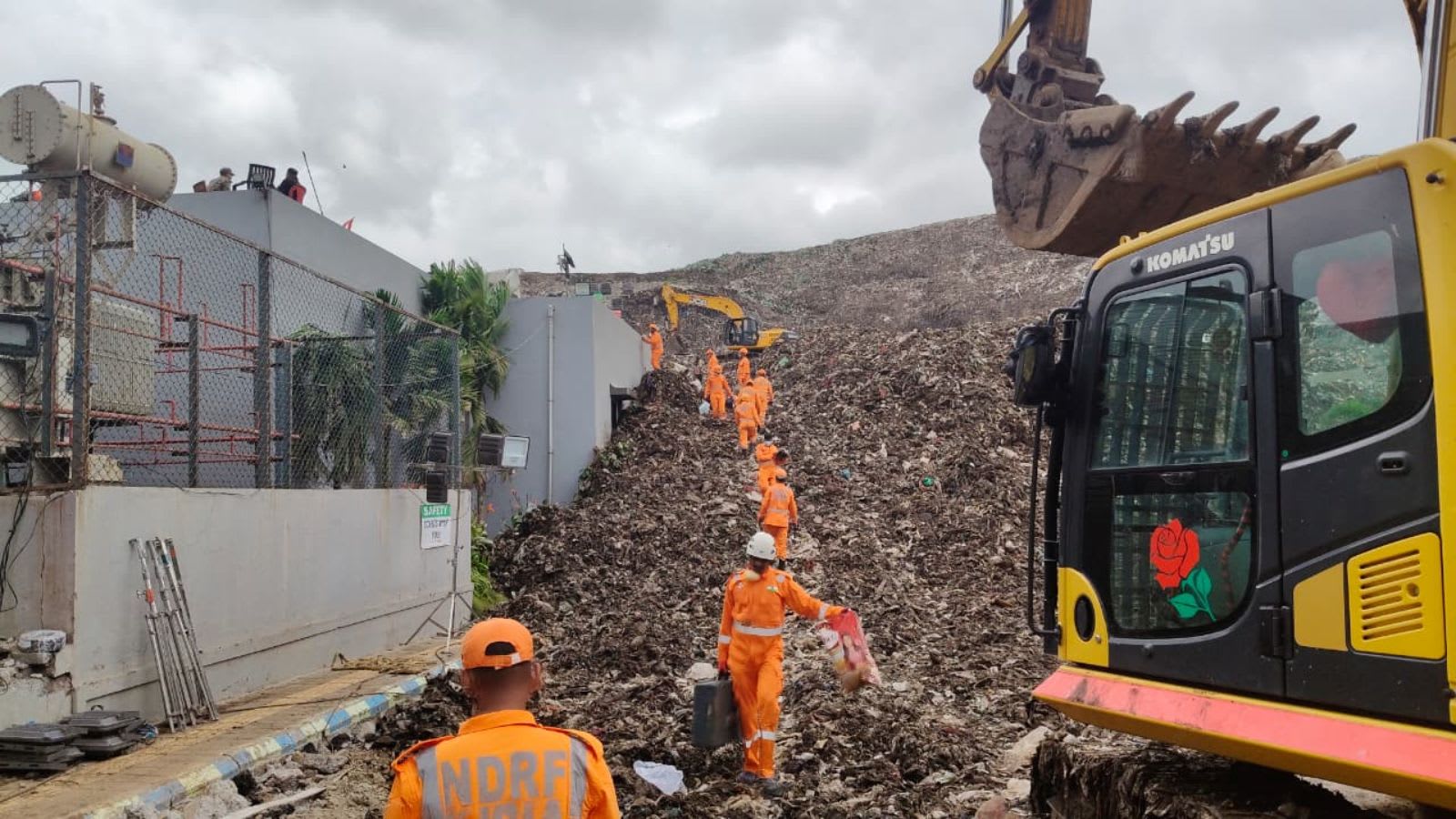
A three-story building collapse at the Moshi garbage depot has left eight people missing. While civic authorities attribute the disaster to heavy rainfall, grieving families and political leaders across party lines are demanding a First Information Report (FIR) to investigate structural negligence.
Tragedy at Moshi: Structural Failure or Natural Disaster?
The collapse of a three-story building at the Moshi garbage depot has evolved from a rescue operation into a heated political and legal confrontation. With eight individuals still missing under the debris as of Friday afternoon, the incident highlights a critical intersection of urban mismanagement and public safety. The emotional toll is palpable, as families of the victims have directly confronted civic officials, demanding transparency and immediate action in the face of a devastating loss.
The "Rain" Defense and the Question of Accountability
In the immediate aftermath, the local civic body has attributed the collapse to heavy rainfall, framing the event as an environmental casualty. However, this narrative is being met with significant skepticism. In many urban centers, "rain" is often used as a convenient scapegoat to mask structural deficiencies, the use of substandard materials, or the absence of proper building permits. The location of the building—near a garbage depot—further raises questions about soil stability and the environmental conditions that may have compromised the foundation over time.
Bipartisan Demands for Legal Action
One of the most striking aspects of this event is that the demand for a First Information Report (FIR) has cut across party lines. Typically, civic failures are leveraged for partisan political gain; however, the gravity of eight people being buried alive has created a rare moment of political unity. This bipartisan pressure suggests that the perceived negligence is so egregious that it transcends political affiliation. By demanding an FIR, leaders are pushing for a criminal investigation that would force the civic body to move beyond general excuses and provide forensic proof of the building's structural integrity.
The Broader Context of Urbanization and Safety
This tragedy is not an isolated incident but is reflective of a broader trend of rapid, often unregulated, urbanization in the Pimpri-Chinchwad and Pune regions. As cities expand, the pressure to house workers and residents often leads to the construction of buildings in precarious locations, such as near waste depots or on unstable land. The lack of stringent building audits and the failure of municipal oversight often result in "death traps" that only reveal their flaws during extreme weather events. This event underscores the urgent need for a comprehensive audit of all low-income and industrial-adjacent housing in the area.
Potential Long-term Implications
Moving forward, this incident is likely to trigger a wave of inspections across similar structures in the Moshi area. If the investigation reveals that the building was illegal or lacked proper certification, it could lead to a systemic overhaul of how the civic body monitors construction. Moreover, the legal precedent set by the filing of an FIR against officials or developers could shift the culture of accountability, moving it from a system of administrative apologies to one of legal consequences for negligence.
Conclusion
The Moshi building collapse is a stark reminder of the human cost of civic negligence. While the search for the eight missing persons continues, the battle for accountability has already begun. The transition from a search-and-rescue mission to a legal fight for an FIR indicates that the public is no longer satisfied with weather-based explanations for structural failures. Justice for the victims will depend on whether the investigation looks past the rain and examines the concrete and permits that failed them.