Maharashtra adds 200 daily Mumbai-Pune bus trips amid train cncellations
Source Entity
Shubham Kurale
Intelligence Synthesis
AI-Generated Core Insights
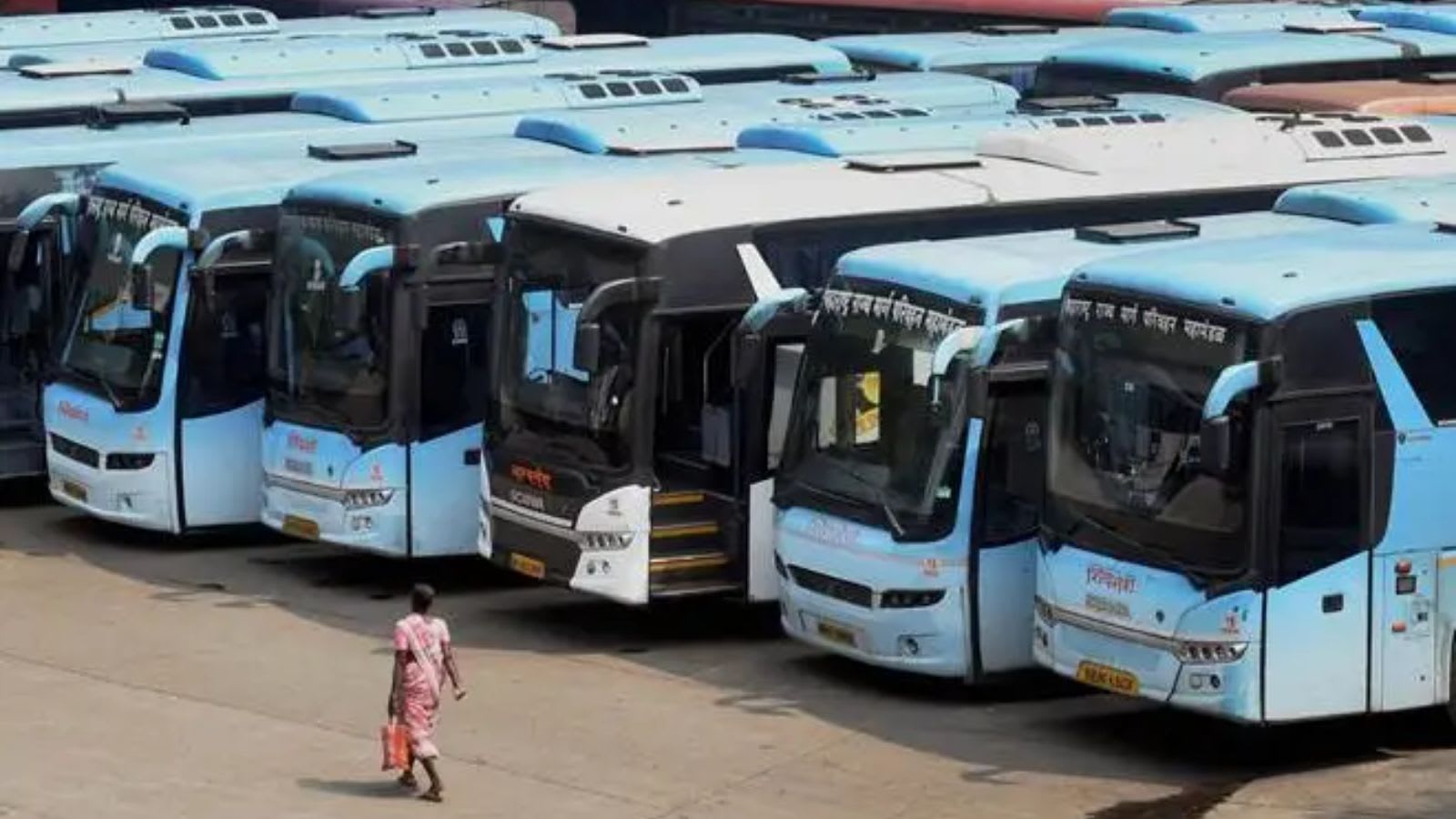
The Maharashtra State Road Transport Corporation (MSRTC) has introduced 200 additional daily bus trips between Mumbai and Pune to alleviate the passenger rush caused by the cancellation of several trains on the route.
Addressing the Transit Crisis: MSRTC's Strategic Response to Rail Disruptions
In a swift response to a sudden surge in commuter demand, the Maharashtra State Road Transport Corporation (MSRTC) has announced the addition of 200 daily bus trips between the metropolitan hubs of Mumbai and Pune. This emergency measure comes as a direct consequence of train cancellations, which left thousands of daily commuters and travelers stranded. The Mumbai-Pune corridor is one of the busiest transit routes in India, serving as a critical artery for business, education, and administration. When the rail network—the primary mode of high-volume transport—falters, the resulting vacuum creates an immediate logistical crisis that necessitates rapid intervention from state road authorities.
Operational Scaling and Logistical Pressure
According to MSRTC officials from the Pune division, the existing fleet of approximately 100 daily buses was insufficient to handle the overflow of passengers displaced by the railway cancellations. By adding 200 more trips, the state is effectively tripling its capacity on this specific route. This operational scaling requires not only the deployment of additional vehicles but also the strategic management of driver shifts and fuel logistics. The decision highlights the state's reliance on the MSRTC as a 'safety net' for the public transport system. However, such a rapid increase in bus frequency also puts significant pressure on the boarding points and terminals in both cities, which must now accommodate a much higher volume of foot traffic than usual.
The Criticality of the Mumbai-Pune Corridor
To understand the gravity of this event, one must look at the socio-economic relationship between Mumbai and Pune. Mumbai, the financial capital of India, and Pune, the 'Oxford of the East' and a major IT hub, are inextricably linked. Thousands of professionals, students, and traders traverse this distance daily. Historically, trains like the Intercity Express and the Deccan Queen have been the preferred choice due to their speed and reliability. When these services are cancelled, it does not merely cause an inconvenience; it disrupts the economic productivity of the region, leading to missed business appointments and academic delays. The shift to road transport is a necessary but less efficient alternative, as it is subject to the unpredictability of highway traffic.
Implications for Infrastructure and Traffic Flow
While the addition of 200 bus trips solves the immediate problem of passenger mobility, it introduces new challenges regarding road infrastructure. The Mumbai-Pune Expressway and the Old Highway are already prone to congestion. A sudden influx of hundreds of additional state-run buses, combined with the existing private vehicle traffic, is likely to increase travel times and heighten the risk of traffic bottlenecks. This scenario underscores the inherent fragility of a transport system that lacks seamless multi-modal integration. When one mode of transport fails, the resulting 'domino effect' places an unsustainable burden on the remaining infrastructure, highlighting the need for more robust contingency planning.
Historical Context and Systemic Vulnerabilities
This event is not an isolated incident but rather a reflection of recurring vulnerabilities in the regional rail network. Periodic maintenance, technical glitches, or operational mismanagement often lead to sudden cancellations, forcing the government to rely on the MSRTC for emergency relief. Over the years, there has been a growing call for the modernization of the rail tracks and the introduction of more frequent, high-capacity trains to reduce the dependency on road travel. The current crisis serves as a reminder that while road transport can act as a temporary bridge, it cannot replace the efficiency and volume capacity of a well-functioning railway system.
Future Trends and Strategic Outlook
Looking ahead, this event will likely prompt the Maharashtra government to reconsider its integrated transport strategy. We can expect a push toward more synchronized scheduling between the MSRTC and the railway authorities to ensure that backup plans are pre-arranged rather than reactive. Furthermore, there may be an accelerated investment in high-capacity electric buses to make these emergency surges more sustainable and environmentally friendly. The long-term goal must be the creation of a resilient transport ecosystem where the failure of one segment does not lead to a systemic collapse of commuter mobility.
Summary
The MSRTC's decision to add 200 daily bus trips is a vital short-term fix for a critical transit gap. While it ensures that the movement of people between Mumbai and Pune continues, it also exposes the systemic weaknesses of the region's reliance on a fragile rail network. The event emphasizes the need for better infrastructure integration and a more proactive approach to commuter management to prevent future transit crises.