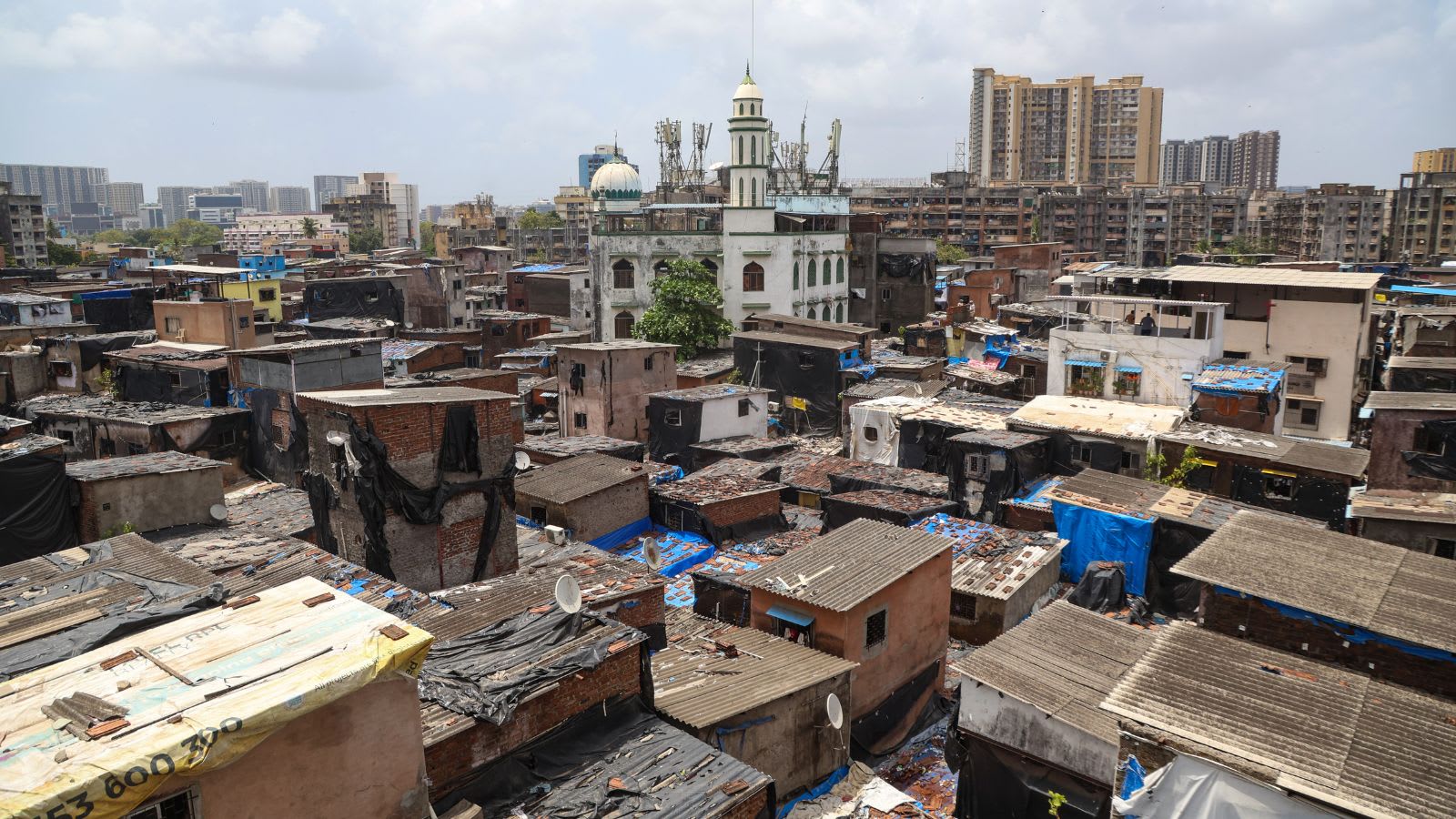
Mumbai’s Dharavi has 590 religious structures. A state panel has begun deciding which stay, move or go
Source Entity
Vallabh Ozarkar
Intelligence Synthesis
AI-Generated Core Insights
A state panel in Mumbai has begun evaluating the fate of 590 religious structures in Dharavi as part of the massive redevelopment project, deciding whether they will stay, be relocated, or be removed.
Navigating Sacred Spaces: The Dharavi Redevelopment Dilemma
Introduction
The Dharavi Redevelopment Project, one of the most ambitious urban renewal initiatives in the world, has reached a critical juncture regarding the preservation of cultural and spiritual heritage. As authorities work to transform one of Asia's largest informal settlements into a modern urban hub, a state-appointed panel has begun the monumental task of evaluating the fate of 590 religious structures within the area. This decision-making process—categorizing sites as those that can stay, those that must move, or those that must go—represents a delicate balancing act between rapid modernization and the preservation of local identity.
The Complexity of Religious Mapping
The identification of nearly 600 religious structures highlights the immense density and social complexity of Dharavi. These sites are not merely buildings; they are the spiritual and social anchors for a diverse population of residents. The sheer volume of structures means that the state panel is not just facing a logistical hurdle, but a massive sociological undertaking. Every decision made by the panel carries the potential to disrupt the communal fabric of the neighborhood, making the "stay, move, or go" framework essential for managing community expectations and minimizing social friction.
The "Stay, Move, or Go" Framework
The panel's methodology is designed to provide a structured approach to a highly emotive issue. Structures designated to "stay" will likely be integrated into the new urban design, requiring innovative architectural solutions to ensure they fit within modern, high-density layouts. Those marked to "move" will necessitate the finding of suitable, respectful alternative locations that maintain the spiritual integrity and accessibility of the site. The most difficult category, "go," involves sites that cannot be accommodated due to structural necessity or land-use requirements, a decision that will undoubtedly face significant scrutiny and potential resistance from local stakeholders.
Socio-Cultural and Political Implications
In a city as religiously diverse as Mumbai, the relocation of even a single shrine, temple, or mosque can become a significant political and social issue. The Dharavi project is operating under a global microscope, where any perceived bias in how religious sites are treated could trigger widespread unrest. Consequently, the panel's work is as much about conflict resolution and community diplomacy as it is about urban planning. Ensuring transparency and inclusivity in the decision-making process is paramount to maintaining the social license required to complete such a massive redevelopment.
Future Trends in Urban Transformation
As this process unfolds, it will set a precedent for how other major metropolitan areas in developing nations handle the intersection of informal settlements and sacred spaces. We can expect to see increased emphasis on "inclusive urbanism," where heritage and religious sites are treated as integral components of the new landscape rather than obstacles to be removed. The success of the Dharavi project will ultimately be measured not just by the quality of the new infrastructure, but by how well the project preserves the unique, lived-in character of the community it seeks to improve.
Conclusion
The task of the state panel in Dharavi is a microcosm of the challenges facing modern megacities: the drive for progress versus the necessity of continuity. By addressing the fate of these 590 religious structures now, authorities are attempting to mitigate future friction and build a foundation for a more cohesive, modern Dharavi. The outcome of these deliberations will define the cultural soul of the revitalized district for generations to come.