‘Risk is not a stranger to us’: Why Mumbai families won’t leave landslide-prone homes
Source Entity
Sankhadeep Banerjee, Sabah Virani
Intelligence Synthesis
AI-Generated Core Insights
A devastating landslide in Mumbai's Mankhurd area on July 5 claimed six lives, highlighting the perilous living conditions of residents in informal, stilt-based lodgings who remain in high-risk zones due to extreme poverty and a lack of housing alternatives.
The Human Cost of Urban Precarity: Analyzing the Mankhurd Landslide
On Sunday, July 5, the city of Mumbai witnessed yet another monsoon tragedy when a landslide struck a multi-storey chawl in the Mankhurd area. The disaster claimed six lives, turning a residential space into a site of mourning and devastation. This event is not an isolated incident but a symptom of a deeper, systemic crisis involving urban planning, poverty, and the environmental vulnerabilities of one of the world's most densely populated cities. The tragedy underscores the lethal intersection of heavy seasonal rainfall and the precarious nature of informal housing.
The Geography of Vulnerability
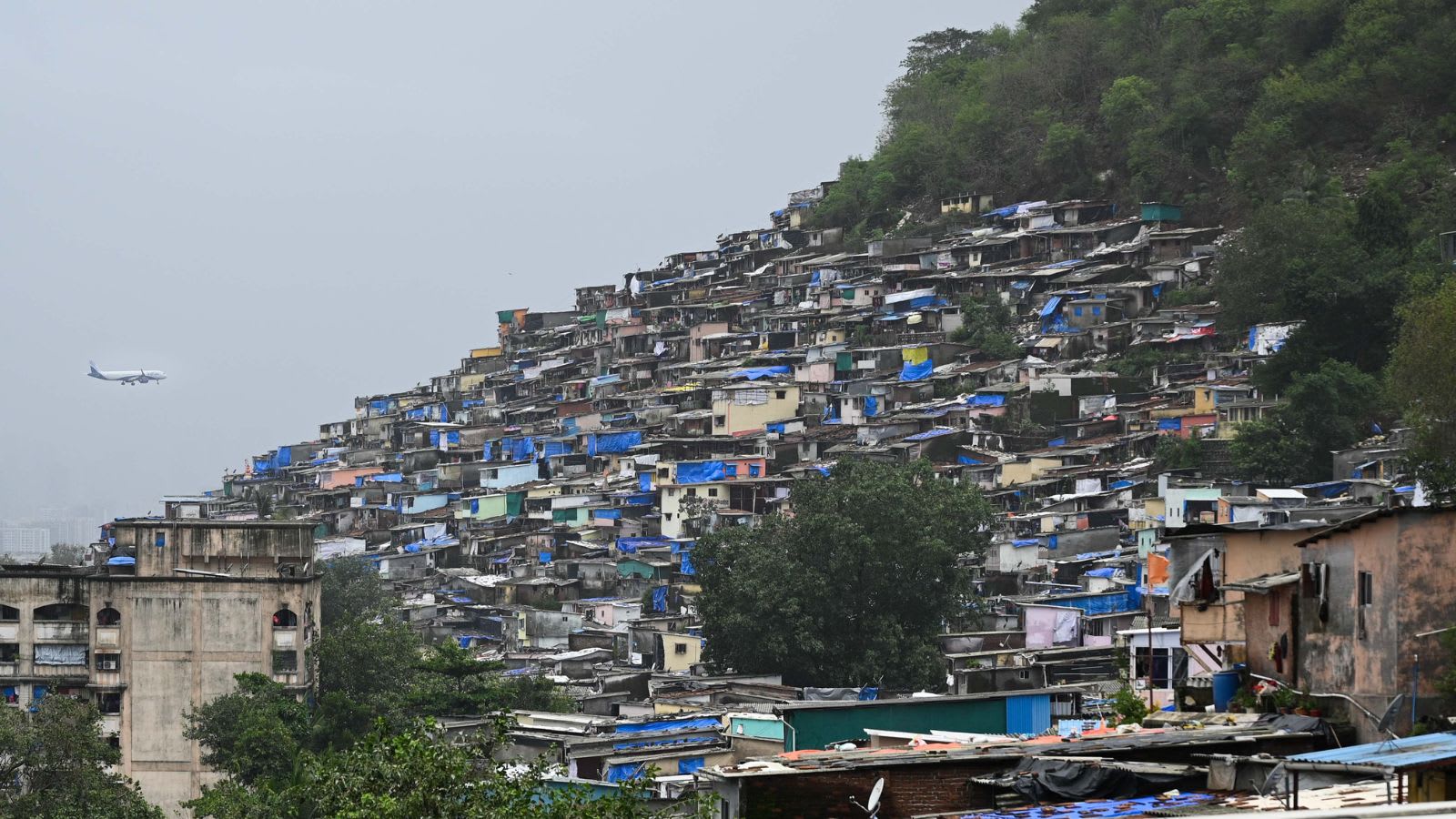
Many of the victims resided in informal lodgings built on stilts or elevated platforms, often perched on unstable slopes. In areas like Mankhurd, the soil composition becomes dangerously saturated during the monsoon, leading to slope failure and landslides. The structural integrity of these 'stilt homes' is virtually non-existent, as they are often constructed without engineering oversight or adherence to safety codes. When torrential rains hit, the ground beneath these structures liquefies, leaving the residents with no defense against the shifting earth. This specific architectural vulnerability transforms a natural weather event into a human catastrophe.
The Psychology of Risk and Economic Desperation
One of the most poignant aspects of this tragedy is the sentiment expressed by survivors: "Risk is not a stranger to us." This phrase reveals a normalization of danger born out of absolute economic necessity. For many families in Mankhurd, the choice is not between a safe home and a risky one, but between a risky home and homelessness. The systemic lack of affordable housing in Mumbai forces the urban poor into 'marginal lands'—areas that are geologically unsuitable for habitation but are the only places where the impoverished can find space. This creates a cycle where residents accept life-threatening risks as a prerequisite for survival.
Systemic Failures in Urban Governance
While the immediate cause of the deaths was the landslide, the underlying cause is a failure of urban governance and housing policy. For decades, Mumbai has struggled to integrate its vast slum populations into formal housing schemes. The recurring nature of these monsoon disasters suggests that current disaster management strategies are reactive rather than preventative. While authorities may issue warnings during heavy rains, these warnings are often ineffective because residents have nowhere else to go. The tragedy in Mankhurd highlights the urgent need for a transition from temporary relief measures to permanent, safe, and affordable housing solutions for the city's most vulnerable.
Climate Change and the Intensification of Risk
Looking forward, the risk to residents in areas like Mankhurd is expected to increase due to the intensifying effects of climate change. Mumbai is experiencing more frequent and extreme precipitation events, where a month's worth of rain can fall in a matter of days. This increased intensity puts unprecedented pressure on unstable slopes and poorly constructed dwellings. As the monsoon patterns become more erratic and violent, the 'calculated risk' that families have historically taken is becoming a gamble with increasingly impossible odds. Without aggressive intervention in urban resettlement, similar tragedies are likely to recur with greater frequency.
Conclusion: Beyond the Immediate Tragedy
The loss of six lives in Mankhurd is a stark reminder that urban development cannot be measured by skyscrapers alone, but by the safety of the city's most marginalized residents. The event serves as a critical call to action for municipal authorities to prioritize the relocation of families from landslide-prone zones. Until the fundamental issue of housing insecurity is addressed, the residents of Mumbai's informal settlements will continue to live in a state of perpetual peril, where the arrival of the monsoon is feared as much as it is needed.