Insolvency threat ends: NARCL buys out Metro 1 debt
Source Entity
Sabah Virani
Intelligence Synthesis
AI-Generated Core Insights
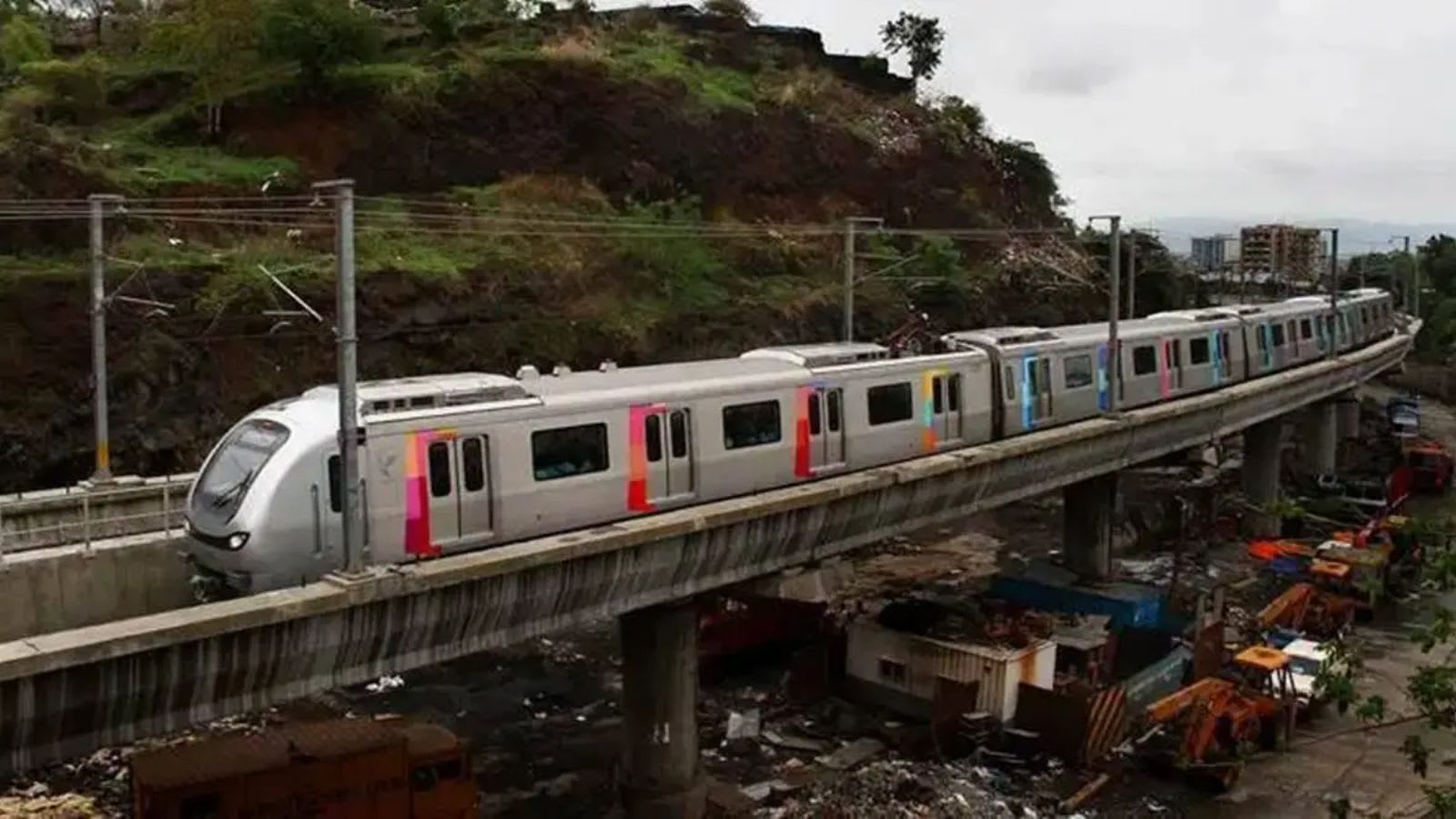
The National Asset Reconstruction Company Limited (NARCL) has acquired the debt of Mumbai Metro One Pvt Ltd (MMOPL), effectively removing the immediate threat of insolvency for the operator of the Versova-Andheri-Ghatkopar line.
Resolution of Financial Crisis for Mumbai Metro One
In a significant move to stabilize one of Mumbai's most critical transit arteries, the National Asset Reconstruction Company Limited (NARCL) has stepped in to buy out the debt of Mumbai Metro One Pvt Ltd (MMOPL). This intervention effectively halts the looming threat of insolvency that has plagued the operator of the Versova-Andheri-Ghatkopar line for several years. The acquisition of this debt by the 'bad bank' provides a necessary financial lifeline, ensuring that the operational continuity of the metro line is not compromised by the company's inability to service its loans.
The Burden of Cost Overruns
To understand the gravity of this insolvency threat, one must look at the project's financial trajectory. The Mumbai Metro One project was characterized by massive cost escalations that strained the partnership between the public and private sectors. Originally estimated at approximately Rs 2,356 crore, the total cost ballooned to over Rs 4,000 crore by the time the line became operational in 2014. Such a steep increase—nearly 70% over the original budget—created a structural deficit that made it nearly impossible for MMOPL to meet its debt obligations while maintaining daily operations. This scenario is a classic example of the risks inherent in Public-Private Partnership (PPP) models, where unforeseen delays and rising material costs can turn a viable project into a financial liability.
The Role of NARCL as a Financial Stabilizer
NARCL's entry into this situation is a strategic deployment of India's asset reconstruction framework. As a specialized entity designed to aggregate and resolve stressed assets, NARCL allows the original lending banks to clean up their balance sheets while providing the distressed company, in this case, MMOPL, with a more manageable path toward restructuring. By absorbing the debt, NARCL removes the immediate pressure of liquidation or bankruptcy proceedings. This transition shifts the focus from survival to sustainability, allowing the operators to focus on ridership and efficiency rather than the constant threat of legal insolvency.
Criticality of the Versova-Andheri-Ghatkopar Corridor
The importance of this debt buyout extends beyond the balance sheets of MMOPL; it is a matter of urban stability. The Versova-Andheri-Ghatkopar line is a lifeline for millions of commuters, bridging the gap between the western and eastern suburbs of Mumbai. Any disruption in service caused by insolvency proceedings would have led to catastrophic congestion on the city's already overburdened roads. Therefore, the government's facilitation of this buyout via NARCL can be viewed as a strategic move to protect public infrastructure and ensure that the city's mobility is not held hostage by corporate financial failure.
Broader Implications for Infrastructure PPPs
This event serves as a cautionary tale and a potential blueprint for future infrastructure projects in India. The tension between MMOPL and the state government over fare hikes and viability gap funding highlights the fragility of PPP agreements when costs spiral. The resolution via NARCL suggests that the state is increasingly willing to use specialized financial tools to prevent the collapse of essential services. Moving forward, this may lead to more rigorous risk-sharing mechanisms in future metro projects to ensure that cost overruns do not lead to the same brinkmanship seen with Metro One.
Summary of Impact
Ultimately, the acquisition of Mumbai Metro One's debt by NARCL represents a victory for urban transit stability over financial instability. By decoupling the operational necessity of the metro from its debt crisis, the city ensures a seamless commute for its citizens while providing a structured environment for the debt to be managed. While it does not solve the underlying issue of project cost escalation, it provides the breathing room necessary to keep Mumbai moving.