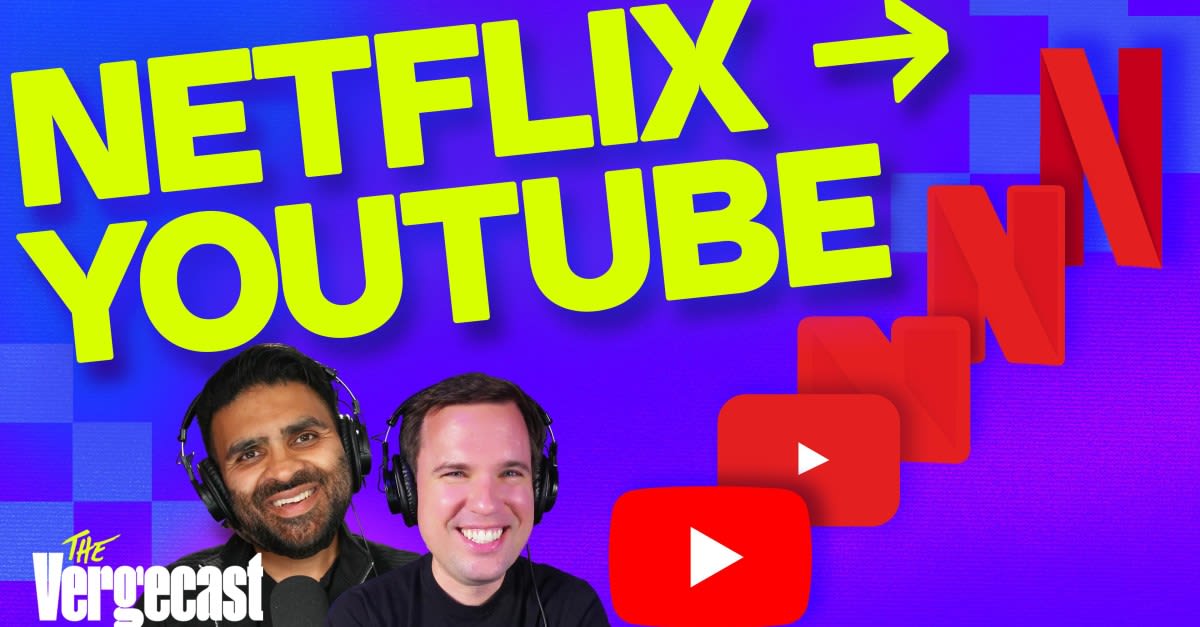
Netflix is turning into YouTube
Source Entity
David Pierce
Intelligence Synthesis
AI-Generated Core Insights
Netflix is diversifying its content offerings to include video games, live sports, and podcasts, sparking a debate over whether the streaming giant is abandoning its identity as a prestige TV provider to mimic the high-engagement, broad-spectrum model of YouTube.
The Evolution of Entertainment: Is Netflix Becoming YouTube?
For over a decade, Netflix has been the gold standard for the "streaming revolution," transitioning from a DVD-by-mail service to a global powerhouse of prestige original content. However, recent strategic shifts suggest a fundamental pivot in how the company views its role in the digital ecosystem. By expanding its library to include video games, live sports, and podcasts, Netflix is moving away from being a mere digital cinema and toward becoming a comprehensive entertainment hub. This transition reflects a broader industry trend where the goal is no longer just to provide high-quality content, but to capture every possible second of a user's waking attention.
The Diversification Strategy: Beyond the Binge-Watch
The integration of video games and live sports represents a calculated attempt to combat "churn"—the rate at which subscribers cancel their memberships. While high-budget series like Stranger Things drive new sign-ups, they are episodic and finite. In contrast, live sports and gaming provide recurring, daily engagement. By incorporating these elements, Netflix is attempting to shift from a destination for "weekend binging" to a daily utility. The mention of integrating YouTube-style content suggests a move toward shorter-form, high-frequency consumption, which is essential for maintaining visibility in an era of dwindling attention spans.
The Battle for Screen Time: "Sleep is the Competitor"
Netflix's internal philosophy that "sleep is the primary competitor" highlights the aggressive nature of the attention economy. In this framework, Netflix is not just competing with Disney+ or Max, but with any activity that takes a user away from their screen. By diversifying into podcasts and gaming, Netflix is attempting to occupy different "modes" of consumption—audio for commuting, interactive play for leisure, and live events for social synchronization. This omni-channel approach is a direct mirror of YouTube's strategy, which hosts everything from 15-second clips to multi-hour documentaries and live streams.
The Risk of Brand Dilution and "Frenetic" Growth
However, this rapid expansion is not without its critics. The perception that Netflix's current trajectory is "frenetic" or "desperate" stems from a potential loss of brand identity. For years, the Netflix brand was synonymous with curated, high-production-value storytelling. By pivoting toward a "everything for everyone" model, the company risks diluting its prestige. If the platform becomes a cluttered repository of disparate media types, it may lose the cohesive user experience that originally made it a market leader, potentially alienating the core audience that values cinematic quality over sheer variety.
Historical Context and Market Pressures
To understand this shift, one must look at the saturation of the streaming market. The "Streaming Wars" have reached a stalemate where subscriber growth in mature markets has plateaued. When organic growth slows, companies must find new ways to increase Average Revenue Per User (ARPU) and engagement metrics. Historically, tech giants like Amazon and Apple have pursued this "super-app" strategy, bundling music, video, and shopping. Netflix is now playing catch-up, realizing that a standalone video subscription may not be sustainable in a landscape dominated by ecosystems rather than individual services.
Future Outlook: The Path to a Media Super-App
Looking forward, Netflix's trajectory suggests it is aiming to become the central operating system for home entertainment. If successful, the platform will evolve into a hybrid of a TV network, a gaming console, and a social media feed. The success of this pivot will depend on how seamlessly Netflix can integrate these diverse media types without compromising the user interface. If they can balance the prestige of their original films with the addictive nature of short-form and live content, they will likely redefine the concept of a "streaming service" entirely, effectively merging the worlds of traditional broadcast media and user-generated content platforms.