Nigeria says army has killed 300 bandits in north-western state of Zamfara
Source Entity
William Christou
Intelligence Synthesis
AI-Generated Core Insights
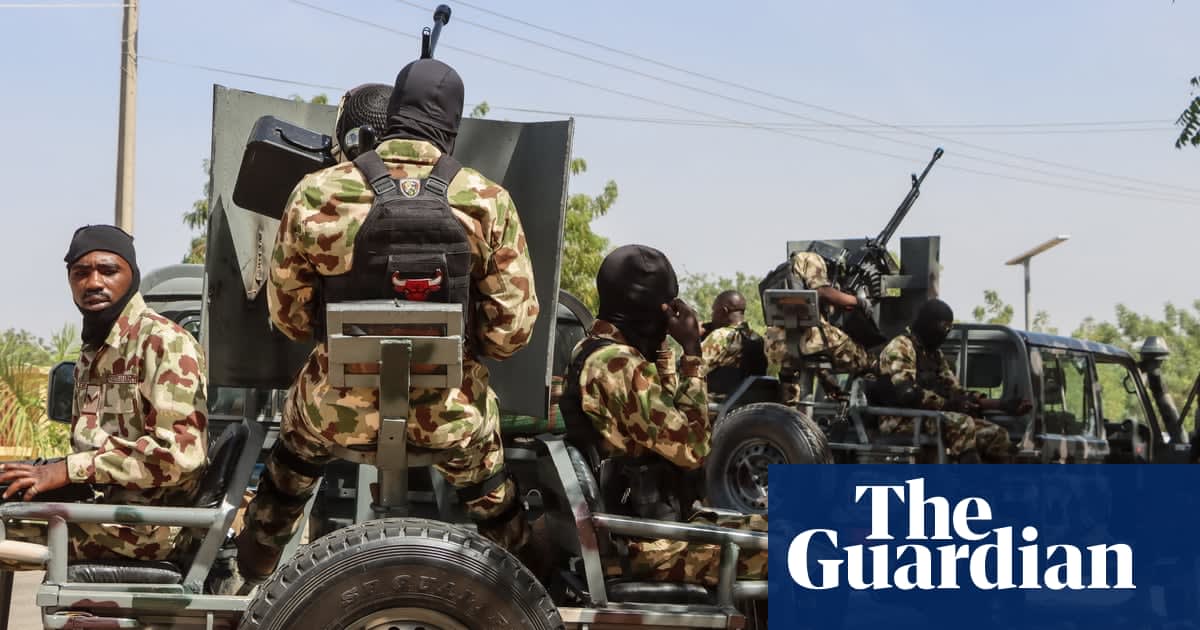
Nigerian government troops have killed more than 300 members of kidnapping and cattle rustling gangs during a two-day military operation in the Gummi district of Zamfara state.
Nigerian Military Offensive: Analysis of the Zamfara State Operation
In a significant escalation of security operations in Northwest Nigeria, the Nigerian army has reported the elimination of over 300 bandits during a concentrated two-day offensive in the Gummi district of Zamfara state. According to Mahmud Muhammad Dantawasa, the state's information commissioner, the operation targeted gangs specialized in kidnapping for ransom and cattle rustling. This event underscores the Nigerian government's ongoing struggle to maintain sovereignty and security in its rural hinterlands, where non-state armed groups have established precarious footholds.
The Complex Nature of Banditry in the Northwest
To understand the gravity of this operation, one must analyze the specific nature of the 'bandits' operating in Zamfara. Unlike traditional insurgencies, the violence in Northwest Nigeria is a hybrid of organized crime and ideological extremism. These gangs often consist of cattle rustlers and marginalized pastoralists who have evolved into sophisticated criminal enterprises. In recent years, there has been an increasing overlap between these bandits and jihadist elements, creating a volatile environment where economic greed for livestock and ransom is bolstered by extremist rhetoric, making the groups more resilient and violent.
Tactical Implications of the Gummi District Operation
The scale of the casualties—over 300 militants killed in just 48 hours—suggests a highly coordinated intelligence-led operation. The targeting of the Gummi district is strategically significant, as this region has historically served as a corridor for movement and a sanctuary for gangs operating within the dense forests of the Northwest. By executing a high-intensity kinetic strike, the Nigerian army is attempting to dismantle the command-and-control structures of these gangs, disrupting their ability to launch coordinated raids on local villages and kidnap high-value targets.
Broader Security and Socio-Economic Context
This military action does not occur in a vacuum but is part of a broader pattern of instability across Northern and Central Nigeria. The region has been plagued by farmer-herder conflicts, driven by competition over dwindling fertile land and water resources, exacerbated by climate change and desertification. When the state fails to provide adjudication for these land disputes, marginalized groups often turn to banditry as a means of survival or retaliation. Consequently, while the elimination of 300 bandits provides immediate tactical relief, it addresses the symptoms rather than the root causes of the insecurity.
Future Trends and Strategic Challenges
Looking forward, the Nigerian military faces the challenge of 'holding' the territory it 'clears.' History suggests that when security forces withdraw from rural districts like Gummi, bandits often return or reorganize into smaller, more elusive cells. There is a high probability of retaliatory attacks on soft targets, such as remote villages, as the gangs attempt to regain leverage. To achieve lasting peace, the government will likely need to transition from purely kinetic operations to a 'civil-military' approach, incorporating infrastructure development, education, and community policing to prevent the vacuum that bandits typically fill.
Summary of Impact
The recent operation in Zamfara is a potent demonstration of the Nigerian army's current capabilities and its willingness to employ lethal force to curb the banditry epidemic. While the death toll of 300 terrorists represents a major blow to the gangs' operational capacity, the long-term stability of the region depends on whether the state can replace the rule of the gun with the rule of law. This event serves as a critical reminder of the fragile security architecture in the Sahelian belt of West Africa.