Pakistan kills 75 insurgents in Balochistan after 18 abducted police officers found blindfolded, shot dead
Source Entity
The Indian Express
Intelligence Synthesis
AI-Generated Core Insights
Pakistan security forces killed 75 insurgents in Balochistan following the discovery of 18 abducted police officers who had been blindfolded and executed.
Escalation in Balochistan: Retaliation and Tragedy
The recent discovery of 18 abducted police officers, found blindfolded and shot dead, has triggered a violent escalation in Pakistan's Balochistan province. In a swift and lethal response, Pakistani security forces launched operations that resulted in the deaths of 75 insurgents. This cycle of abduction, execution, and retaliatory strikes underscores the volatile security environment in a region long plagued by ethnic tensions and separatist ambitions. The brutality of the officers' executions—marked by the use of blindfolds—signals a deliberate attempt by insurgent groups to instill terror and project power over state apparatuses.
The Psychology of Targeted Executions
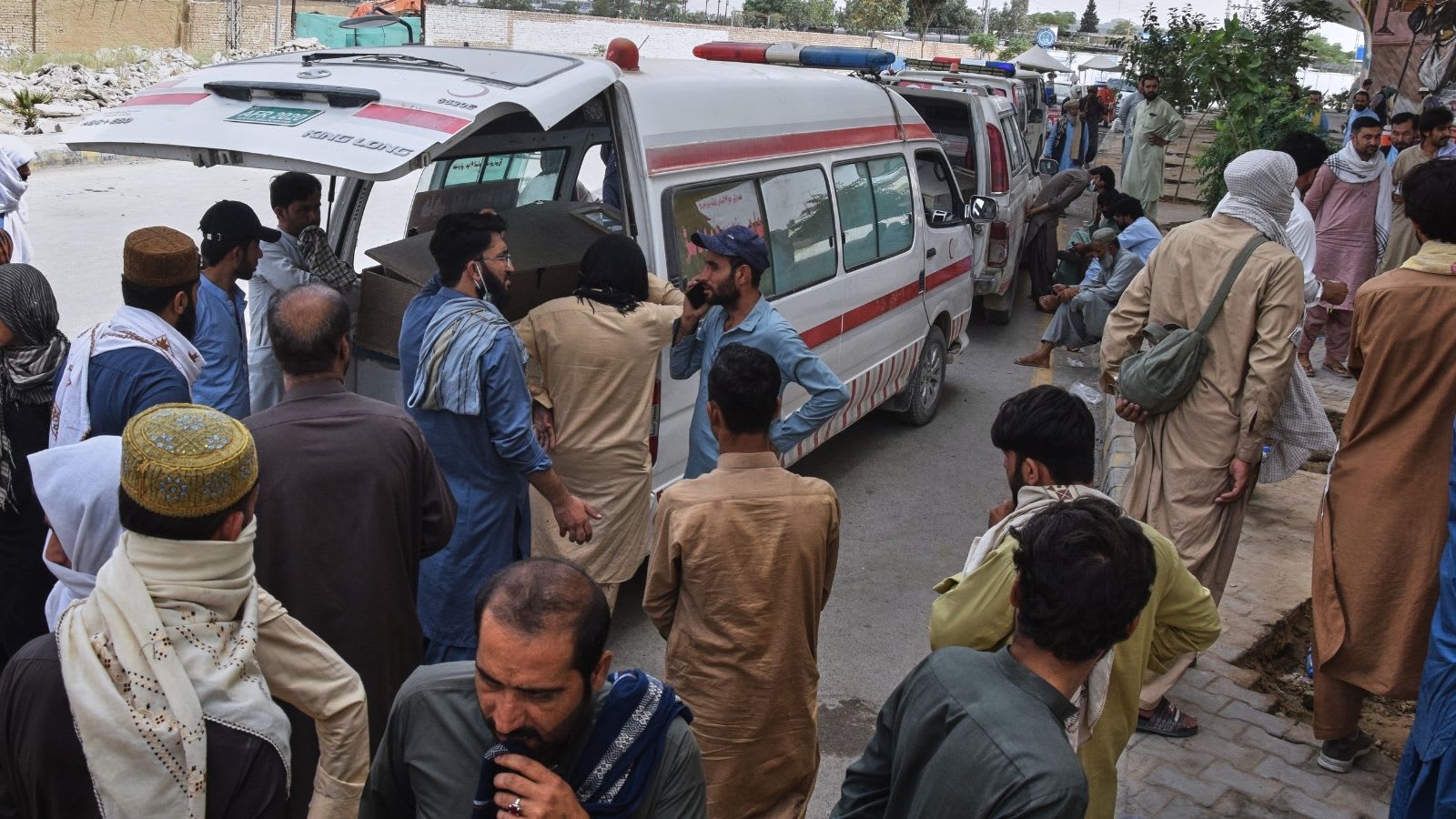
The execution of the 18 police officers was not a random act of violence but a calculated psychological operation. By abducting officers and executing them in a manner that mimics war crimes, insurgents aim to demoralize the local police force and demonstrate the state's inability to protect its own personnel. This tactic is designed to create a vacuum of authority and foster a climate of fear among government employees. The subsequent discovery of the bodies served as a catalyst for intense public grief and anger, as evidenced by the mourners and sit-in protests, which further pressure the government to take an uncompromising stance against separatist elements.
Geopolitical and Historical Context of Balochistan
To understand this event, one must look at the long-standing insurgency in Balochistan. The province is Pakistan's largest by land area and richest in natural resources, yet it remains one of the least developed. Separatist groups have historically fought for greater autonomy or complete independence, citing economic marginalization and political neglect. This systemic instability has created a fertile ground for militant groups to operate. The current clash is a manifestation of this deeper struggle, where the state views these insurgents as proxies or terrorists, while the insurgents view their actions as a resistance against state oppression.
Analysis of the State's Military Response
The elimination of 75 insurgents in a short window indicates a high-intensity military sweep. Such large-scale operations suggest that the state has shifted from a containment strategy to an offensive one. While the government frames these actions as necessary for national security and justice for the fallen officers, such high casualty counts often lead to further polarization. The scale of the retaliation demonstrates the state's capability to project force, but it also risks alienating local populations if the operations result in collateral damage or are perceived as indiscriminate.
Social Unrest and the Erosion of Trust
The reports of mourners gathering around ambulances and holding sit-in protests highlight the human cost of this conflict. These protests are not merely expressions of grief but are political statements demanding better security and accountability. When police officers—the first line of defense—are targeted and executed, it erodes the trust of the citizenry in the state's ability to maintain law and order. The emotional volatility of these protests can either be leveraged by the state to justify further crackdowns or exploited by insurgents to paint the government as failing its people.
Future Trends and Security Implications
Looking forward, this event is likely to trigger a period of heightened insecurity. Insurgent groups, facing significant losses (75 members), may pivot toward asymmetric warfare, including more frequent IED attacks or targeting of civilian infrastructure, to regain leverage. Conversely, the Pakistani government may increase its military footprint in the region, potentially implementing stricter checkpoints and surveillance. The critical question remains whether the state will pursue a purely kinetic solution or if there will be a move toward political reconciliation to address the root causes of the insurgency.
Conclusion
The killing of 18 police officers and the subsequent elimination of 75 insurgents represent a grim chapter in the ongoing conflict in Balochistan. This event highlights the extreme brutality currently defining the struggle between the Pakistani state and separatist militants. While the immediate military response has been decisive, the underlying socio-political grievances continue to simmer, suggesting that until a comprehensive political framework is established, the region will remain trapped in a cycle of abduction, execution, and retaliation.