Pune building collapse: 72 hours on, rescuers fighting against time and debris to pull out survivors
Source Entity
India Latest News: Top National Headlines Today & Breaking News | The Hindu
Intelligence Synthesis
AI-Generated Core Insights
Rescue operations continue in Pune as the National Disaster Response Force (NDRF) and other agencies deploy 15 excavators and specialized demolition machinery to locate survivors 72 hours after a devastating building collapse.
Race Against Time: Analyzing the Pune Building Collapse Rescue Operation
The Critical 72-Hour Window
The rescue operation in Pune has reached a harrowing milestone as teams enter the 72nd hour following the building collapse. In the field of disaster management, the first 72 hours are widely regarded as the 'golden window' for finding survivors. Beyond this timeframe, the probability of locating living victims drops precipitously due to the biological imperatives of dehydration, lack of oxygen, and the onset of crush syndrome. The urgency expressed by officials is not merely rhetorical but is rooted in the physiological reality that survivors trapped under heavy concrete debris face an increasingly hostile environment every passing minute.
Strategic Deployment of Specialized Machinery
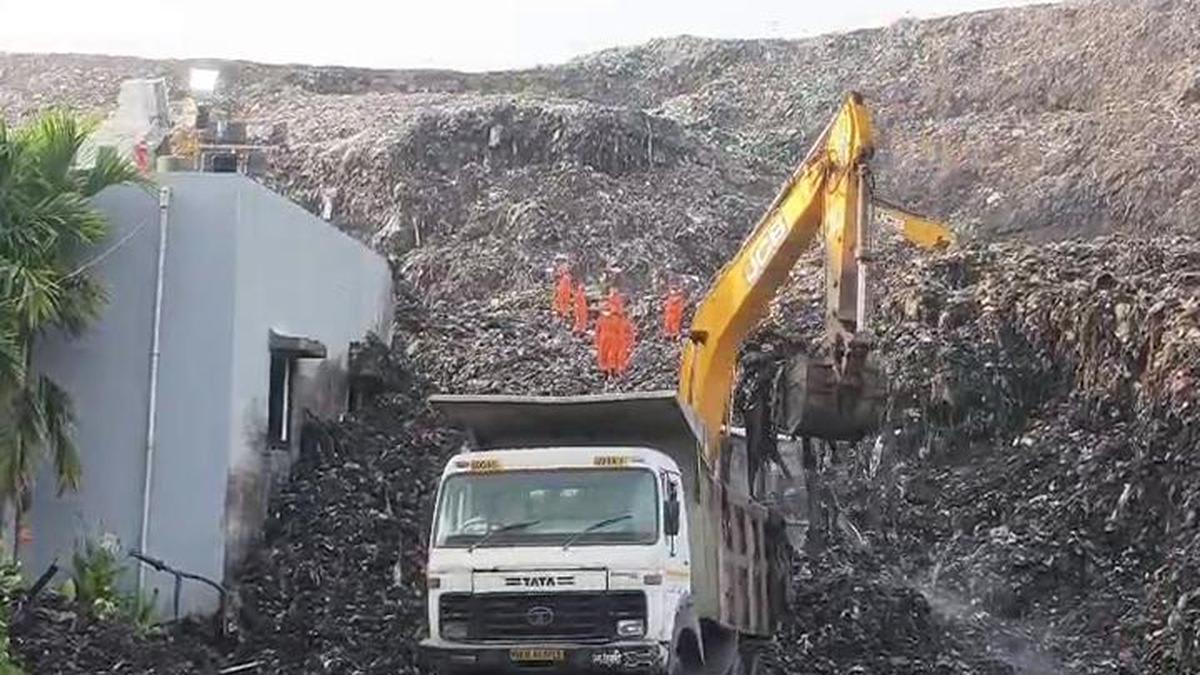
To combat the massive volume of rubble, the National Disaster Response Force (NDRF) and supporting agencies have deployed approximately 15 excavators. The inclusion of specialized demolition machines is a critical tactical decision. Unlike standard construction equipment, these specialized tools are designed to dismantle reinforced concrete structures with precision, reducing the risk of secondary collapses that could jeopardize both the trapped survivors and the rescue personnel. The operation requires a delicate balance between the brute force needed to move tons of debris and the surgical precision required to create air pockets or access voids where survivors might be sheltered.
The Complexity of Urban Structural Failures
Building collapses in rapidly growing urban centers like Pune often highlight the precarious intersection of urban density and structural integrity. While the specific cause of this collapse is under investigation, such events typically stem from a combination of factors including unauthorized structural modifications, the use of substandard building materials, or the failure to adhere to seismic safety codes. The scale of the debris in this instance suggests a total structural failure, which complicates the NDRF's efforts as they must map the collapse pattern to predict where 'survivable voids' are most likely to exist.
Operational Challenges and Risks
The environment within a collapsed building is inherently unstable. Rescuers are fighting not only against time but also against the physics of unstable debris piles. Every movement of a heavy excavator can shift the center of gravity for the remaining ruins, potentially triggering further slides. This creates a high-stress environment for the NDRF personnel, who must coordinate the heavy machinery with manual search teams and canine units to ensure that the search is comprehensive without causing further harm to those still trapped beneath the surface.
Broader Implications for Urban Safety
This tragedy serves as a grim reminder of the necessity for stringent structural audits and the enforcement of building bylaws in Maharashtra's expanding cities. The reliance on emergency response teams like the NDRF after a collapse is a reactive measure; the proactive solution lies in rigorous pre-construction vetting and periodic safety certifications for older buildings. This event will likely trigger renewed calls for a comprehensive audit of similar structures in the Pune metropolitan area to prevent future occurrences of such catastrophic failures.
Summary of the Crisis
In conclusion, the Pune building collapse is currently in its most critical phase. The deployment of high-capacity machinery and the expertise of the NDRF represent a maximum-effort attempt to salvage lives. However, as the clock ticks past 72 hours, the operation shifts from a high-probability rescue mission to a grueling recovery effort. The outcome of this operation will likely influence future urban planning policies and disaster response protocols in the region, emphasizing the need for a shift from disaster management to disaster prevention.
Verification Required?