Pune building collapse: Seven bodies recovered after 72-hour search, one still missing
Source Entity
Manoj Dattatrye More
Intelligence Synthesis
AI-Generated Core Insights
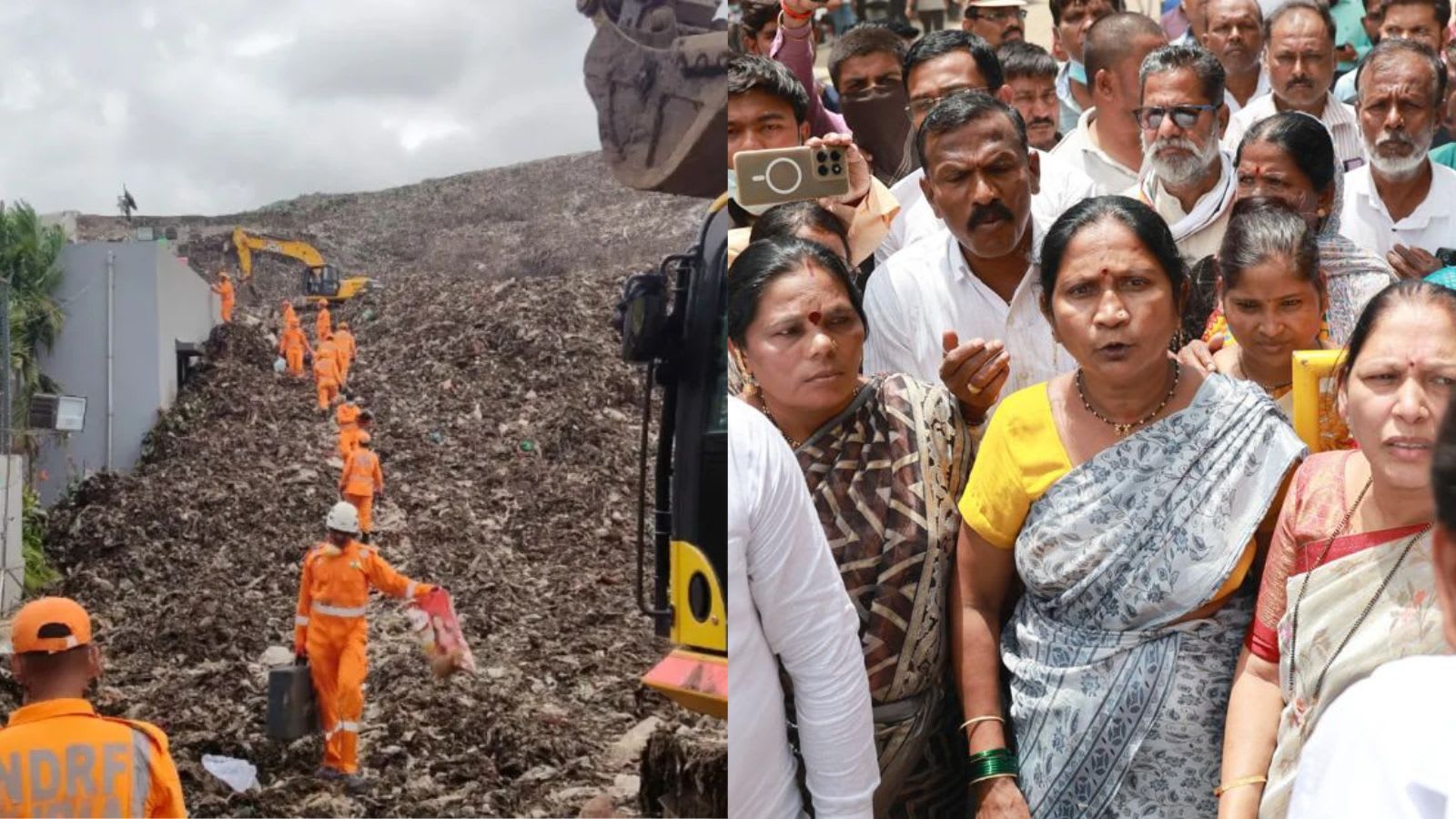
A tragic incident in Moshi, Pimpri-Chinchwad, Pune, resulted in seven deaths and one person remaining missing after a garbage heap collapsed onto a building. A grueling 72-hour search and rescue operation concluded with the recovery of the bodies amidst a tense atmosphere created by grieving relatives.
Tragedy in Moshi: Analyzing the Pimpri-Chinchwad Building Collapse
The recent disaster in Moshi, located within the Pimpri-Chinchwad municipal limits of Pune, serves as a grim reminder of the perils associated with unplanned urban expansion and inadequate waste management. The collapse of a massive garbage heap, which subsequently crushed a building, has resulted in seven confirmed fatalities and one individual who remains missing. This event was not merely a random accident but the culmination of systemic failures in urban safety and environmental oversight, leaving a community in mourning and a city grappling with the aftermath of a preventable catastrophe.
The Rescue Operation and Immediate Aftermath
For 72 hours, rescue teams worked tirelessly to sift through debris and compacted waste to locate survivors. The operation was characterized by extreme difficulty, as the nature of a garbage heap collapse creates unstable terrain that poses significant risks to rescuers. The atmosphere at the site remained volatile and tense, as large numbers of relatives gathered, their desperation mounting with every passing hour. The recovery of seven bodies marks a heartbreaking conclusion to the primary search phase, though the search for the final missing person continues, highlighting the psychological toll on the families and the first responders involved.
The Peril of Unmanaged Landfills
At the core of this tragedy is the collapse of a garbage heap, an event that points toward a critical failure in landfill engineering and waste disposal protocols. In many rapidly growing Indian cities, waste is often dumped in open heaps rather than scientific landfills. Over time, these mounds become structurally unstable, especially when subjected to environmental pressures or improper layering. When such a mass collapses, it acts as a landslide of waste, possessing enough kinetic energy and weight to flatten residential structures. This specific incident underscores the urgent need for the Pimpri-Chinchwad Municipal Corporation to transition toward sustainable, engineered waste management systems to prevent similar occurrences.
Socio-Economic Vulnerability and Urban Planning
This disaster also sheds light on the socio-economic disparities inherent in urban zoning. The fact that residential buildings were situated in such close proximity to a massive garbage heap suggests a failure in land-use planning and a lack of stringent enforcement of safety buffer zones. Often, marginalized communities are forced to reside in high-risk areas near industrial zones or dump sites due to a lack of affordable housing. This event demonstrates how poor urban planning directly translates into a loss of life for the city's most vulnerable populations, who are left exposed to environmental hazards that would be unacceptable in more affluent neighborhoods.
Accountability and Administrative Failure
Moving forward, the focus must shift toward administrative accountability. The collapse raises serious questions regarding who authorized the accumulation of waste to such dangerous heights and why there were no early warning signs or evacuation orders. This tragedy likely necessitates a comprehensive audit of all similar dump sites across the Pune district. If the local government fails to implement strict regulations regarding the height, stability, and proximity of waste heaps to residential areas, the risk of recurrence remains high. Legal ramifications for negligence are expected as the families of the deceased seek justice and compensation.
Future Trends: Toward Scientific Urbanism
To prevent a repeat of the Moshi tragedy, there must be a paradigm shift toward 'Scientific Urbanism.' This involves the integration of geotechnical engineering into waste management, ensuring that landfills are monitored for stability using sensors and slope-stability analysis. Furthermore, the implementation of a 'Zero Waste' policy and the decentralization of waste processing can reduce the reliance on massive, dangerous heaps. The future of Pimpri-Chinchwad's growth must be predicated on safety-first infrastructure, where the health and security of the residents are prioritized over the convenience of cheap, unregulated waste disposal.
Conclusion
The collapse in Moshi is a stark warning about the intersection of environmental neglect and urban poverty. The loss of seven lives is a profound tragedy that could have been avoided with proper zoning and scientific waste management. As the city recovers, the priority must be to ensure that no other community is forced to live in the shadow of a ticking environmental time bomb.