US activist investors must disclose clients in filings, SEC says
Source Entity
Yahoo Finance
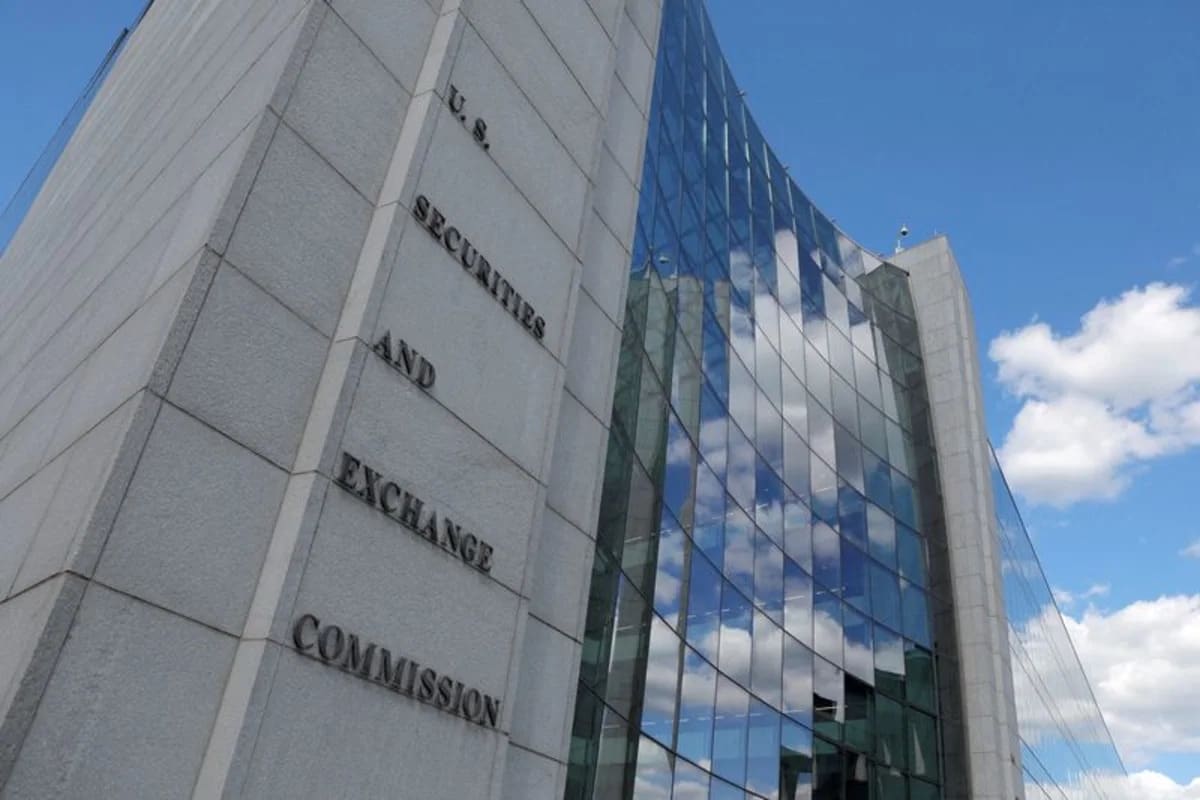
By Svea Herbst-Bayliss NEW YORK, July 10 (Reuters) - Activist investors in the U.S. must disclose the identities of their clients in regulatory filings, the Securities and Exchange Commission said in...
SEC Mandates Client Disclosure for Activist Investors: A Shift Toward Market Transparency
In a significant regulatory move, the U.S. Securities and Exchange Commission (SEC) has declared that activist investors are now required to disclose the identities of their clients within their regulatory filings. This decision targets a long-standing gray area in financial reporting where activist managers—individuals or firms that buy large stakes in companies to force management changes—could often shield the ultimate beneficiaries of their actions. By removing this veil of anonymity, the SEC aims to provide a clearer picture of who is truly driving corporate shifts and what the underlying motivations for such interventions might be.
The Mechanics of Activist Investing and the 'Shadow' Influence
To understand the gravity of this ruling, it is essential to recognize the role of the activist investor. Unlike passive investors, activists seek to influence a company's strategic direction, often pushing for board seat changes, divestitures, or shifts in executive compensation. Historically, some activists acted as intermediaries or agents for larger, undisclosed institutional investors or high-net-worth individuals. This allowed the 'true' owners of the influence to remain in the shadows, avoiding public scrutiny or potential conflicts of interest while still reaping the rewards of a forced corporate pivot. The SEC's new requirement effectively ends this practice of proxy-based anonymity.
Enhancing Corporate Governance and Shareholder Rights
From a governance perspective, this ruling is a victory for transparency. When a company is targeted by an activist, the board of directors and the general shareholder base are now entitled to know exactly who is backing the push for change. This prevents the possibility of 'stealth' accumulations of power where a single entity might control a significant portion of a company's voting rights through various fragmented agents. By forcing disclosure, the SEC ensures that the market can accurately price the risk and potential of an activist campaign, as the reputation and track record of the undisclosed clients can significantly sway the outcome of a proxy battle.
The Tension Between Privacy and Regulatory Oversight
Despite the benefits to transparency, this move is likely to create friction within the hedge fund and private equity communities. Many activist investors argue that client confidentiality is a cornerstone of their competitive advantage and a fiduciary duty to their limited partners. The fear is that disclosing client lists could lead to 'copycat' trading, where other market participants mirror the moves of prestigious investors, thereby driving up the cost of acquiring stakes and eroding the alpha generated by the original strategy. This creates a fundamental tension between the SEC's mandate for public disclosure and the private sector's desire for strategic secrecy.
Long-term Implications for Market Strategy
Looking forward, this ruling will likely force a restructuring of how activist campaigns are organized. We can expect to see a shift toward more direct ownership structures or the use of more complex legal vehicles to navigate these disclosure requirements. Furthermore, companies may become more aggressive in their defenses, as they can now conduct deeper due diligence on the specific entities backing an activist's demands. This may lead to a more professionalized and transparent era of corporate warfare, where the 'who' is just as important as the 'what' in any public proposal for corporate change.
Conclusion
Ultimately, the SEC's decision reinforces the principle that the U.S. equity markets must operate on a foundation of openness. By requiring activist investors to reveal their clients, the regulator is prioritizing the collective right of the investing public to know the true drivers of corporate volatility over the private preferences of elite fund managers. While the transition may be turbulent for those accustomed to operating in the shadows, the long-term result should be a more stable and accountable environment for corporate governance in the United States.