Spain battles to contain one of its deadliest wildfires as at least 12 killed
Source Entity
BBC News
Intelligence Synthesis
AI-Generated Core Insights
Spain is facing one of its deadliest wildfires, with at least 12 confirmed dead, including four British nationals, and 23 people still missing as emergency services struggle to contain the blaze.
Tragedy in Spain: Analyzing One of the Nation's Deadliest Wildfires
Spain is currently grappling with a catastrophic wildfire event that has rapidly escalated into one of the deadliest in its recent history. With at least 12 confirmed fatalities and 23 individuals still reported missing, the scale of the disaster underscores the volatile nature of the region's current environmental conditions. The inclusion of at least four British nationals among the deceased highlights the intersection of seasonal tourism and natural disasters, as many visitors are often caught unaware by the speed at which these blazes can envelop residential and holiday areas.
The Human Cost and Rescue Operations
The immediate focus of Spanish authorities remains the search-and-rescue operation for the 23 missing persons. In wildfires of this magnitude, the 'missing' status often reflects the chaos of rapid evacuations where residents or tourists are cut off from communication or trapped by sudden shifts in wind direction. The death toll of 12 is a sobering reminder of the lethality of these fires, where extreme heat and smoke inhalation can kill long before the flames actually reach a victim. The coordination between local fire brigades and national emergency services is critical, as they navigate treacherous terrain to locate survivors.
Environmental Drivers and Regional Vulnerability
To understand why this event is categorized as one of the 'deadliest,' one must look at the broader environmental context of the Iberian Peninsula. Spain has increasingly become a tinderbox due to prolonged periods of drought and record-breaking heatwaves. The Mediterranean climate, characterized by hot, dry summers, is naturally prone to fire; however, the intensification of these patterns has created a 'perfect storm.' When vegetation becomes desiccated, it acts as fuel, allowing small sparks to transform into uncontrollable infernos that outpace traditional containment methods.
Challenges in Containment and Firefighting
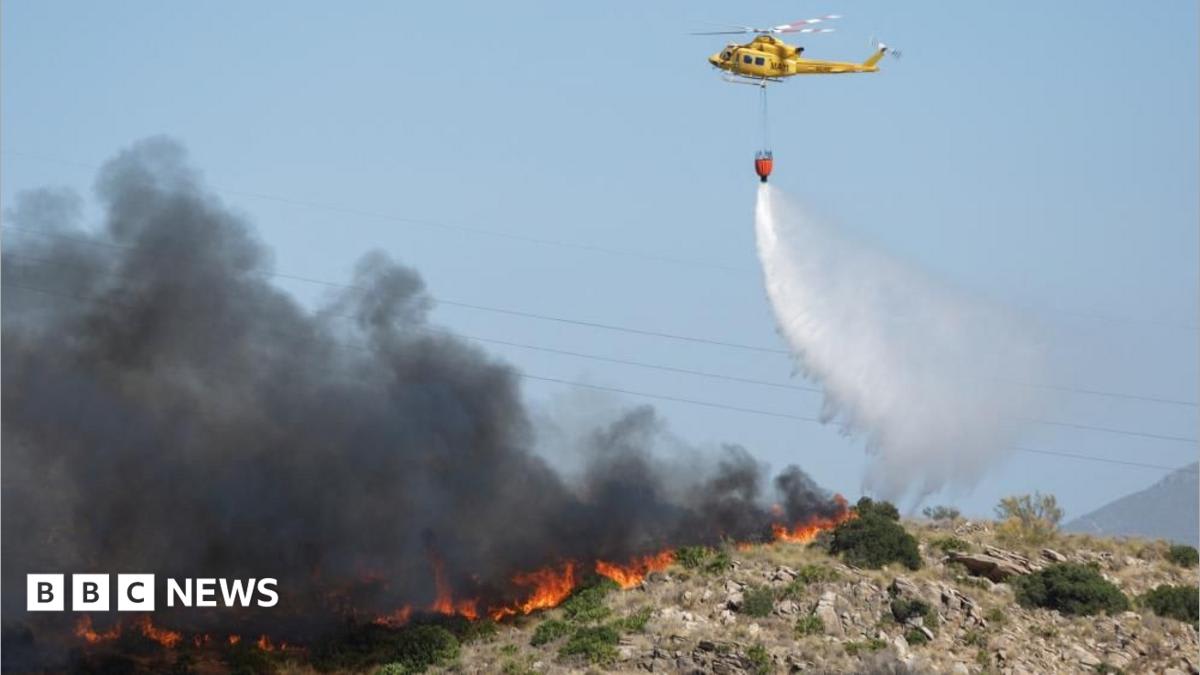
The report that Spain is still 'battling to contain' the blaze suggests that the fire has likely reached a stage of 'crown fire' intensity, where flames leap from treetop to treetop, making ground-based firefighting nearly impossible. Aerial support—including water-bombing planes and helicopters—is essential in these scenarios, yet their effectiveness is often hampered by heavy smoke and erratic wind currents. The struggle to contain the fire indicates that the blaze may have jumped established firebreaks, forcing emergency crews to adopt a more defensive posture to protect populated centers.
Broader Implications and Future Trends
This tragedy is not an isolated incident but part of a growing global trend of increased wildfire intensity linked to shifting climatic patterns. As Spain experiences more frequent and severe heat events, the window for 'fire season' is expanding. This necessitates a shift in national policy toward more aggressive forest management, such as controlled burns and the reduction of combustible biomass. The loss of life in this specific event will likely trigger a review of early warning systems and evacuation protocols, particularly for non-residents and tourists who may not be familiar with the geography of the region.
Summary of the Crisis
In summary, the current wildfire crisis in Spain is a devastating intersection of environmental vulnerability and human tragedy. With 12 dead and dozens missing, the event serves as a grim indicator of the challenges facing Southern Europe in the face of extreme weather. The recovery process will be long, involving not only the physical restoration of scorched landscapes but also the psychological healing of affected communities and the implementation of more robust disaster mitigation strategies to prevent such a high loss of life in the future.