‘I don’t know how we survived’: Passenger from Tamil Nadu recounts Vietnam boat horror
Source Entity
Arun Janardhanan
Intelligence Synthesis
AI-Generated Core Insights
Nirmal Kumar, a passenger from Tamil Nadu, recounts the terrifying experience of surviving a speedboat capsizing off the coast of Vietnam, an accident that resulted in numerous drownings.
Tragic Maritime Disaster: The Vietnam Speedboat Capsizing
The recent maritime accident off the coast of Vietnam has left a trail of devastation, particularly impacting citizens from the Indian state of Tamil Nadu. The incident, involving the capsizing of a speedboat, has transitioned from a sudden maritime mishap into a profound human tragedy. As news of the accident spreads, the focus has shifted toward the harrowing individual experiences of those who managed to cling to life amidst the chaos, highlighting the extreme vulnerability of passengers in such high-speed vessels.
A Survivor's Testimony
Nirmal Kumar, a passenger from Tamil Nadu, provided a chilling firsthand account of the disaster. His testimony paints a picture of overwhelming terror, describing the moment the vessel overturned and the desperate struggle for survival. According to Kumar, the survival rate was tragically low; while approximately 20 individuals managed to escape the sinking vessel, a significant number of other passengers were lost to the sea. His words, "I don’t know how we survived," underscore the sheer randomness and brutality of such maritime accidents.
Maritime Safety and Regional Vulnerabilities
This incident highlights the inherent risks associated with maritime transit in Southeast Asian waters, where speedboats are frequently utilized for passenger transport. While these vessels offer speed and efficiency, they often lack the robust safety infrastructure—such as advanced life-saving equipment, standardized passenger manifests, and rigorous stability testing—found in larger commercial ferries. The capsizing of such a vessel suggests a critical failure in either vessel stability, passenger load management, or environmental navigation during the transit.
Broader Implications for International Travelers
For international travelers, particularly those from South Asia navigating Southeast Asian coastal routes, this event serves as a grim reminder of the vulnerabilities involved in cross-border transit. Such accidents often expose gaps in how maritime safety regulations are enforced across different jurisdictions. When a vessel carrying foreign nationals encounters disaster, it necessitates complex international coordination for search and rescue, as well as diplomatic efforts to support the victims' families and manage the legal repercussions of the accident.
Psychological and Social Impact
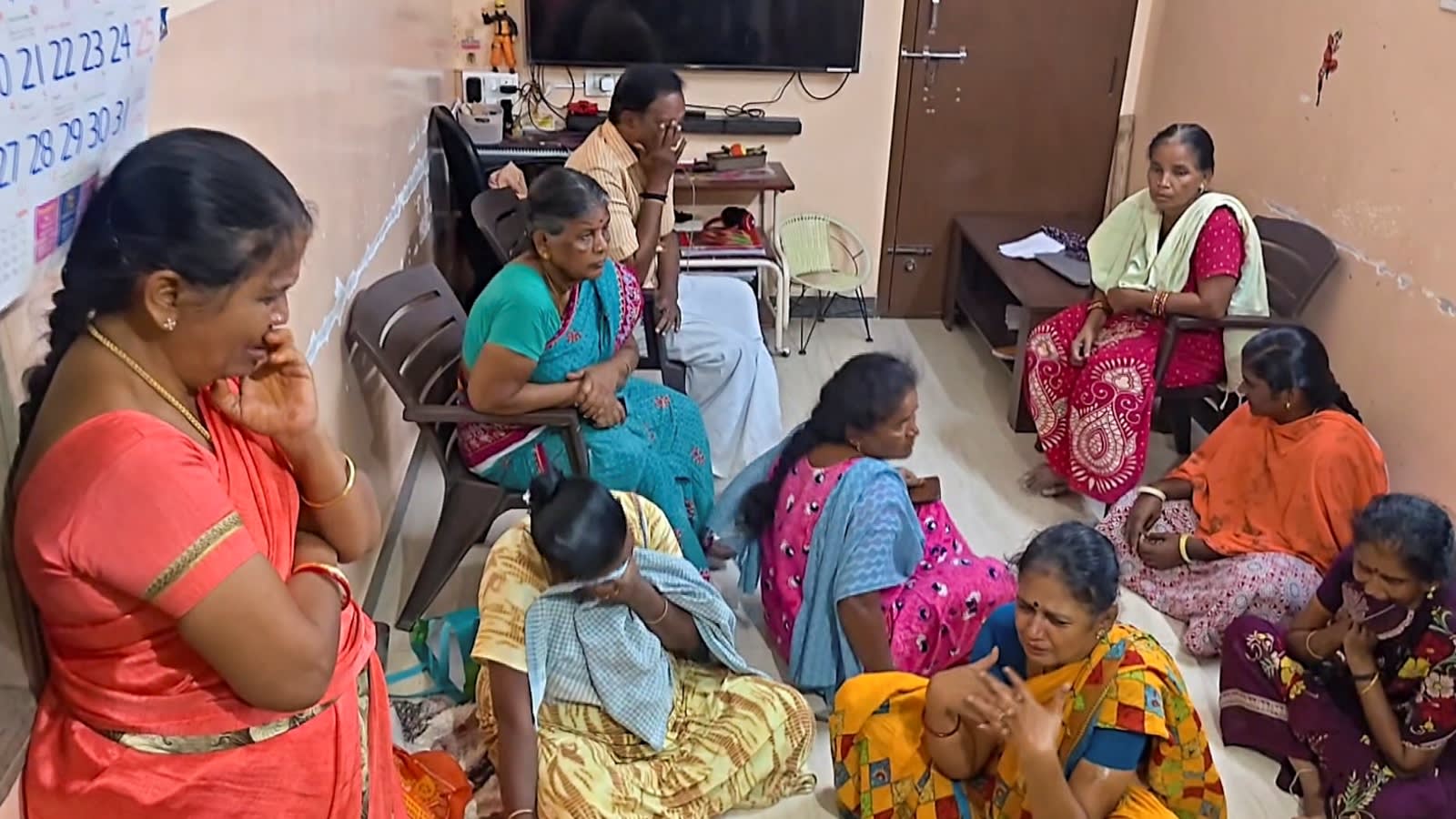
Beyond the immediate loss of life, the social and psychological repercussions for the families in Tamil Nadu are immense. The trauma experienced by survivors like Nirmal Kumar is a significant concern, as the suddenness of such an event can lead to lasting post-traumatic stress. Furthermore, the loss of life creates a ripple effect through communities, leaving behind grieving families and raising urgent questions regarding the safety protocols of the transit services being utilized by tourists and travelers.
Conclusion: A Call for Enhanced Maritime Oversight
In conclusion, the Vietnam boat accident is more than just a localized mishap; it is a stark warning regarding the necessity for heightened maritime oversight. As tourism and regional transit continue to grow, the demand for stricter enforcement of vessel safety standards and better emergency response protocols becomes increasingly urgent. Preventing future tragedies requires a concerted effort from maritime authorities to ensure that speed and convenience never come at the cost of human life.