Telecom regulator says calls from these number series cannot be blocked or filtered
Source Entity
TOI TECH DESK
Intelligence Synthesis
AI-Generated Core Insights
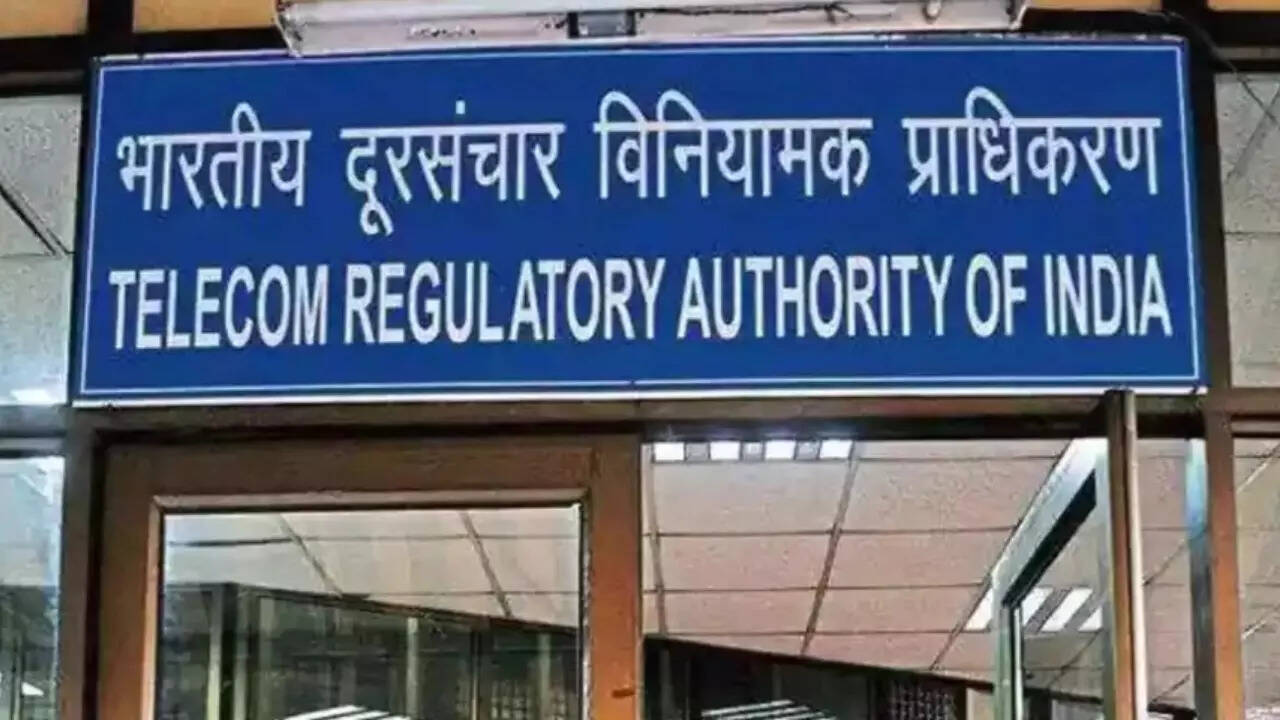
The Telecom Regulatory Authority of India (TRAI) has announced that third-party applications are prohibited from blocking or tagging specific phone number series, specifically the 1600 series used for transactional services and the 140 series used by registered telemarketers, to ensure the delivery of critical communications.
TRAI's Regulatory Crackdown on Third-Party Call Filtering
In a significant move to safeguard the integrity of telecommunications and ensure the delivery of essential messages, the Telecom Regulatory Authority of India (TRAI) has issued a directive stating that third-party applications cannot block or tag specific number series. This intervention comes at a time when a vast majority of smartphone users rely on third-party caller ID and spam-filtering apps to manage their incoming calls. By explicitly protecting the 1600 and 140 series, TRAI is attempting to reclaim control over how critical service and promotional communications are delivered to the end consumer, preventing private software from overriding regulatory frameworks.
Safeguarding Transactional Integrity: The 1600 Series
The 1600 number series is specifically designated for service and transaction-based communications. These calls and messages often include critical information such as One-Time Passwords (OTPs), bank transaction alerts, and urgent service notifications. When third-party apps arbitrarily tag these numbers as 'spam' or block them entirely based on community-driven algorithms, it creates a systemic risk. A user might miss a fraudulent transaction alert or be unable to access their financial accounts due to a blocked OTP. By prohibiting the filtering of the 1600 series, TRAI is ensuring that the 'last mile' of critical digital communication remains unobstructed, thereby supporting the broader digital economy and financial security.
Regulating Promotional Reach: The 140 Series
While the 1600 series handles essential services, the 140 series is reserved for registered telemarketers. While promotional calls are often viewed as a nuisance, TRAI emphasizes that there is already a legal and structured mechanism for managing these: the Do Not Disturb (DND) registry. The regulator's stance is that the decision to block promotional calls should be handled through the official DND framework rather than through the opaque algorithms of third-party apps. This ensures that telemarketers who are legally registered and following guidelines are not unfairly silenced, while users who have officially opted out of such calls are protected via the regulatory registry.
The Conflict Between Community Tagging and Regulatory Truth
One of the core issues TRAI is addressing is the 'tagging' feature prevalent in many caller ID apps. These apps rely on crowdsourced data, where users manually label numbers as 'spam' or 'scam.' While helpful for identifying unknown fraud, this system is prone to 'false positives.' If a legitimate service provider's number is accidentally tagged as spam by a few users, the app may propagate this label to millions of others, leading to a mass failure in communication delivery. TRAI's directive aims to prevent these misleading tags from overriding the official status of designated number series, ensuring that users are not misled about the nature of an incoming call from a registered entity.
Broader Implications for App Developers and Ecosystems
This directive places app developers in a complex position. They must now refine their filtering algorithms to recognize and exempt these specific number series from their blocking and tagging logic. This signals a shift toward a more regulated environment where private software must align with national telecom standards. If apps fail to comply, they risk being seen as disruptors of essential services. Furthermore, this move reinforces the authority of the DND registry as the single source of truth for call preferences in India, reducing the reliance on fragmented, private-sector solutions for spam management.
Future Trends in Telecom Regulation
Looking forward, this move suggests that TRAI will continue to scrutinize the intersection of third-party software and telecom infrastructure. As AI-driven spam filters become more aggressive, the tension between user-end privacy tools and regulatory requirements will likely increase. We can expect further clarifications on 'header' management and perhaps a more integrated approach where third-party apps are required to sync their databases with regulatory registries in real-time. This will ensure that while users are protected from actual scams, the legitimate flow of commercial and service-related communication remains intact.
Conclusion
TRAI's decision to protect the 1600 and 140 number series from third-party interference is a necessary step in balancing user convenience with operational necessity. By ensuring that transactional alerts are delivered and that promotional calls are managed through the official DND registry, the regulator is mitigating the risks of missed critical information and algorithmic errors. This move reaffirms the primacy of regulatory frameworks over crowdsourced data in the management of national telecommunications.