Scared of Russian strikes, Ukraine rushes to build new elite rapid reaction force | Zelensky, Putin
Source Entity
Latest News: Today's Latest News Headlines from India & World | Hindustan Times | Hindustan Times
Intelligence Synthesis
AI-Generated Core Insights
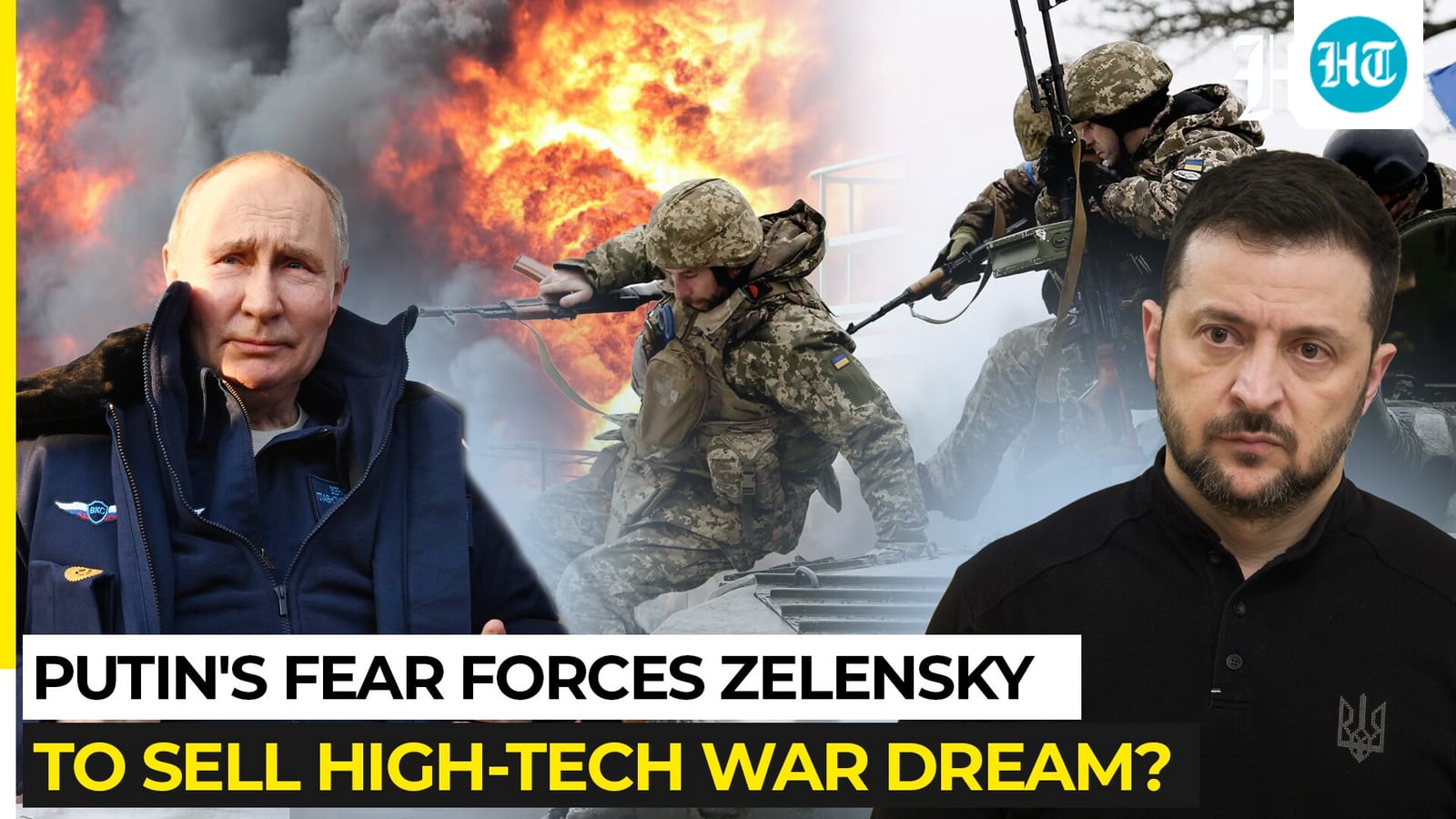
Ukrainian President Volodymyr Zelensky has announced a strategic military restructuring, creating a Long-Range Operations Command and Joint Rapid Response Forces to modernize the army and counter Russian strikes through enhanced agility and technological integration.
Strategic Evolution: Ukraine's Military Restructuring
In a decisive move to adapt to the grueling attrition of the ongoing conflict, President Volodymyr Zelensky has announced a comprehensive restructuring of Ukraine's military apparatus. The centerpieces of this overhaul are the creation of a Long-Range Operations Command and the establishment of Joint Rapid Response Forces. This shift indicates a transition from a primarily reactive defense posture to a more proactive, agile, and technologically integrated strategy designed to neutralize Russian advantages in mass and firepower.
The Long-Range Operations Command: Strategic Depth
The establishment of a dedicated Long-Range Operations Command is a critical development in Ukraine's quest for strategic depth. By centralizing the coordination of long-range strike capabilities, Ukraine aims to synchronize its diverse arsenal—ranging from Western-supplied missiles to indigenous drone programs—to target Russian logistics, command centers, and ammunition depots deep behind the front lines. Historically, long-range strikes were often fragmented across different branches; this new command structure suggests a move toward a unified strike doctrine that can disrupt Russian offensive preparations before they reach the zero line, effectively creating a 'buffer of deterrence' through asymmetric warfare.
Joint Rapid Response Forces: Agility in the Trenches
Complementing the long-range strategy is the creation of the Joint Rapid Response Forces. These units are designed to be highly mobile, integrating assault infantry, drone operators, and artillery assets into a single, cohesive tactical loop. In the current landscape of trench warfare and static lines, the ability to rapidly shift elite forces to a threatened sector or exploit a sudden breach in enemy lines is paramount. By breaking down the silos between drones and traditional artillery, these forces can achieve a 'sensor-to-shooter' link that is significantly faster than traditional command hierarchies, allowing for real-time adjustments based on aerial intelligence.
Technological Integration and Modernization
President Zelensky's emphasis on a "technology-driven fighting force" reflects the reality of the 21st-century battlefield. The integration of drones is no longer an experimental addition but the core of the operational framework. The new restructuring institutionalizes the lessons learned from the early stages of the war, where improvised drone units proved more effective than rigid Soviet-style formations. By embedding these technologies into the very structure of the Joint Rapid Response Forces, Ukraine is attempting to build a professionalized, modern military that leverages AI and unmanned systems to offset the manpower advantages held by the Russian Federation.
Countering Russian Air and Missile Supremacy
The impetus for these changes is explicitly tied to the threat of Russian strikes. As Russia continues to employ glide bombs and missile barrages to degrade Ukrainian infrastructure and frontline positions, the need for a force that can respond with equal speed and precision has become acute. The rapid response units act as a tactical shield, while the Long-Range Operations Command serves as the sword, aiming to punish the launch platforms and logistics hubs that enable Russian air superiority. This dual-layered approach is intended to create a more resilient defense that does not rely solely on static fortifications.
Leadership and Future Outlook
The appointment of experienced military leaders to oversee these new structures suggests that the restructuring is not merely a political gesture but a calculated operational shift. As Ukraine continues to receive more advanced weaponry from Western allies, these new commands will provide the necessary organizational framework to deploy such assets effectively. Looking forward, this reorganization likely signals a broader shift toward a Western-style command-and-control (C2) system, emphasizing decentralized decision-making and combined-arms synergy.
Summary
Ukraine's military overhaul represents a sophisticated attempt to evolve amidst an active conflict. By creating the Long-Range Operations Command and Joint Rapid Response Forces, Kyiv is prioritizing precision, speed, and technological integration. This strategic pivot aims to mitigate the threat of Russian strikes while enhancing Ukraine's ability to conduct disruptive operations, ensuring the military remains viable and lethal in a prolonged war of attrition.
Verification Required?