US-Iran War Live Updates: Tehran may be rebuilding nuclear facilities, show satellite pics
Source Entity
The Indian Express
Intelligence Synthesis
AI-Generated Core Insights
Tensions between the US and Iran have escalated following reports of nuclear facility reconstruction and aggressive military threats from the US President, backed by satellite imagery analysis.
Escalation in the Persian Gulf: Nuclear Ambitions and Military Threats
The geopolitical landscape of the Middle East has entered a period of acute volatility following reports that Iran may be rebuilding its nuclear infrastructure. This development, coupled with aggressive rhetoric from the United States, signals a dangerous shift in the strategic balance between Washington and Tehran. The current situation is characterized by a cycle of intelligence gathering and public threats, pushing both nations closer to a potential kinetic confrontation.
The Significance of Satellite Intelligence
According to analysis of satellite imagery conducted by CNN, there are clear indicators of fresh activity at Iranian nuclear sites. In the world of international diplomacy and arms control, such physical evidence is critical. The rebuilding of facilities suggests that Tehran may be attempting to accelerate its nuclear program or bypass existing restrictions. This activity is particularly alarming to the international community because it suggests a potential reduction in 'breakout time'—the period required for a state to produce enough fissile material for a nuclear weapon. The use of satellite surveillance as a public tool for verification serves not only as a warning to Iran but as a justification for potential preemptive action by the US.
Rhetoric of Deterrence and the 'Maximum Pressure' Campaign
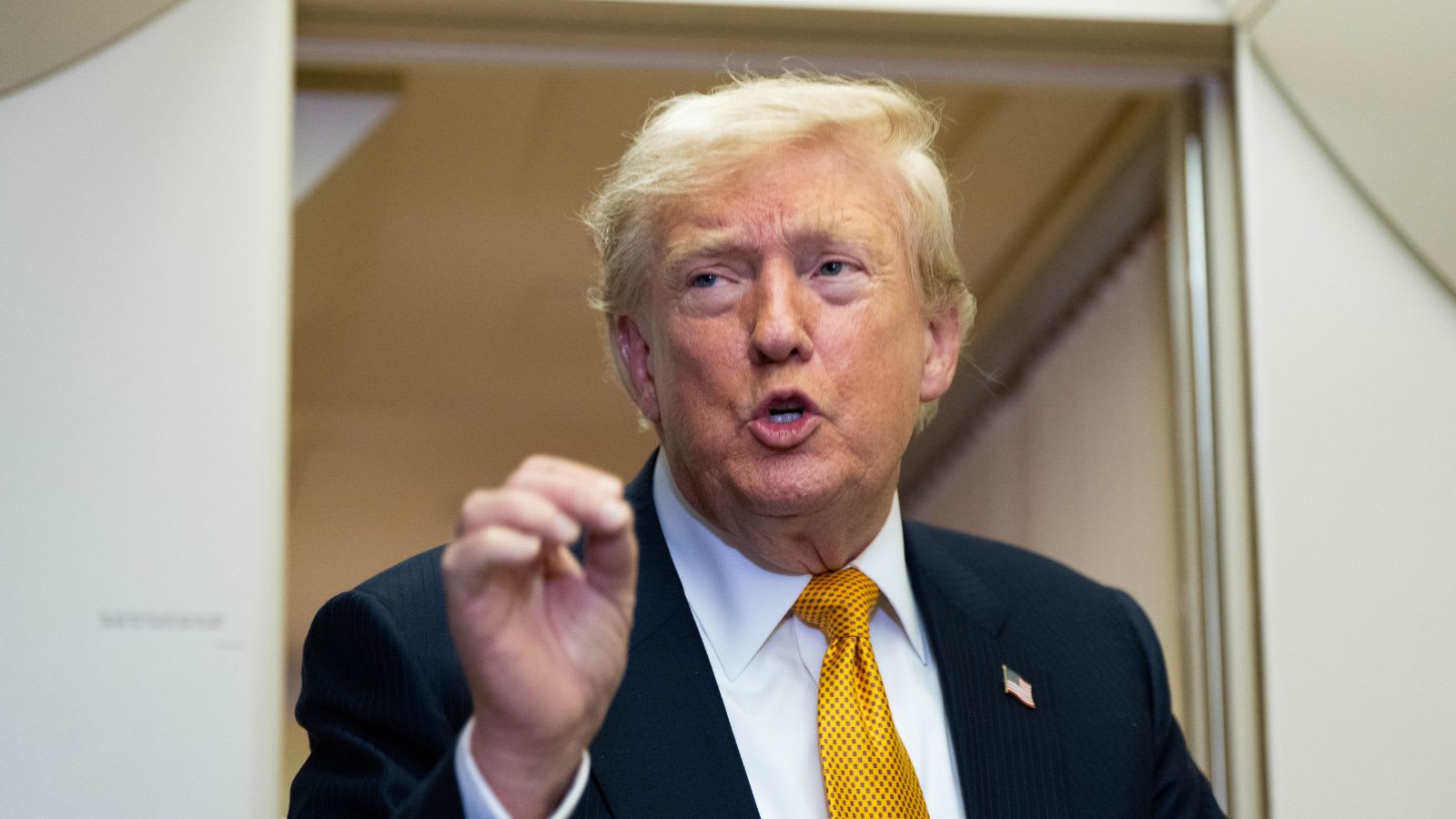
President Donald Trump's assertion that 1,000 missiles are "locked" to destroy Iran represents an extreme escalation of the "maximum pressure" campaign. This rhetoric is designed to project overwhelming force and create a psychological deterrent. However, in the context of nuclear proliferation, such threats can often have the opposite effect, incentivizing a regime to seek nuclear capabilities as a survival mechanism. The specificity of the threat—mentioning a precise number of missiles—is intended to signal that the US military has already completed its targeting phase and is merely awaiting a trigger for engagement.
Historical Context and the JCPOA Legacy
The current friction is deeply rooted in the collapse of the Joint Comprehensive Plan of Action (JCPOA). Since the US withdrawal from the nuclear deal, Iran has gradually stepped up its uranium enrichment levels, claiming that its program remains peaceful. The recent reports of facility reconstruction suggest a move beyond mere enrichment toward the physical expansion of the nuclear complex. This historical trajectory shows a pattern where diplomatic failures lead directly to increased military posturing, leaving little room for the intermediaries that previously managed the US-Iran relationship.
Regional Implications and Global Stability
Beyond the bilateral conflict, this escalation threatens the stability of the entire Gulf region. Allies of the US, such as Saudi Arabia and the UAE, view Iranian nuclear capabilities as an existential threat, which may lead them to pursue their own nuclear options to maintain a regional balance of power. Furthermore, any military action involving the '1,000 missiles' mentioned by the US President would likely result in retaliatory strikes on critical oil infrastructure, potentially triggering a global energy crisis and destabilizing international markets.
Conclusion: A Precarious Standoff
In summary, the combination of verifiable satellite evidence of nuclear activity and high-level military threats has created a precarious standoff. While the US seeks to prevent Iran from achieving nuclear weapons capability through a mixture of sanctions and threats, the physical evidence of reconstruction indicates that Tehran may be doubling down on its strategic goals. The window for diplomatic resolution is narrowing, leaving the region vulnerable to a miscalculation that could ignite a full-scale conflict.