The vintage beauty of Soviet control rooms (2018)
Source Entity
Hacker News
Intelligence Synthesis
AI-Generated Core Insights
An analysis of the industrial design and aesthetic appeal of Soviet-era control rooms, examining the intersection of analog technology, brutalist architecture, and the functional requirements of centralized industrial management.
The Intersection of Function and Form: Analyzing Soviet Control Room Aesthetics
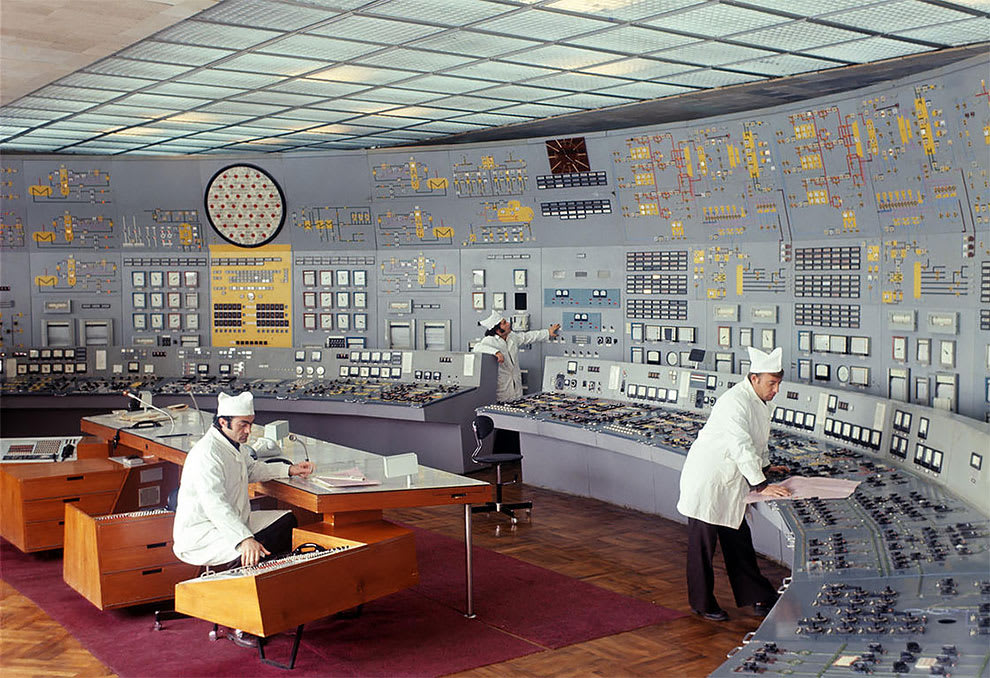
The fascination with the "vintage beauty" of Soviet control rooms represents more than just a niche interest in retro-technology; it is a study of a specific era of industrial design where form followed a very rigid, centralized function. These spaces, often characterized by massive consoles, glowing analog dials, and a sea of tactile switches, serve as physical manifestations of the Soviet Union's approach to industrialization and state control. The aesthetic appeal lies in the tangible nature of the interfaces—a stark contrast to the streamlined, invisible logic of modern digital systems.
The Philosophy of Analog Interface Design
During the peak of the Soviet industrial era, control rooms were designed for high-stakes environments such as nuclear power plants, hydroelectric dams, and massive chemical factories. The design philosophy prioritized visibility and immediate tactile feedback. Every dial, lamp, and lever had a dedicated physical space, ensuring that operators could monitor critical systems at a glance without navigating through nested digital menus. This "one-function-per-switch" approach created a visually dense environment that contemporary observers perceive as beautiful, but which was originally driven by the necessity of reliability and the limitations of pre-computerized monitoring.
Brutalism and the Architecture of Command
Beyond the consoles themselves, the architecture of these control rooms often mirrors the broader Brutalist movement prevalent in Soviet urban planning. The use of reinforced concrete, expansive ceilings, and a sense of overwhelming scale was intended to evoke a feeling of stability and power. These rooms were designed to be the "brains" of massive industrial organisms, and the architecture reflected the hierarchy of the state. The spatial arrangement typically placed the operators in a centralized position, overlooking the machinery or the data, reinforcing the notion of total oversight and centralized command that defined the political landscape of the time.
The Technological Transition: Analog to Digital
Comparing these vintage rooms to modern Industrial Control Systems (ICS) reveals a profound shift in human-machine interaction. Today, thousands of the analog gauges seen in Soviet control rooms have been replaced by a few high-resolution screens running SCADA (Supervisory Control and Data Acquisition) software. While digital systems are infinitely more efficient and capable of processing more data, they lack the intuitive, physical presence of the Soviet consoles. The transition from the tactile to the virtual has stripped away the visual drama of industrial management, turning the "command center" from a physical theater of operation into a quiet office environment.
Cultural Nostalgia and the 'Soviet-wave' Trend
The resurgence of interest in these images, as seen in digital communities and curated galleries, ties into a broader cultural trend known as 'Soviet-wave' or retrofuturism. This movement romanticizes the optimistic, albeit flawed, vision of the future that existed during the mid-20th century. For modern audiences, these control rooms represent a time when technology felt "heavy" and permanent. The glow of the vacuum tubes and the click of heavy-duty switches provide a sensory satisfaction that touchscreens cannot replicate, turning industrial utility into a form of accidental art.
Conclusion: A Legacy of Industrial Art
In summary, the vintage beauty of Soviet control rooms is a result of a unique historical convergence: the need for extreme industrial reliability, the ideological drive for centralized control, and the aesthetic constraints of analog technology. While these rooms are largely obsolete in the face of the digital revolution, they remain critical historical artifacts. They document a period of human history where the interface between man and machine was explicit, physical, and imposing, leaving behind a visual legacy that continues to inspire designers and historians alike.