VW Group and unions disagree on plan to streamline the automaker
Source Entity
Jonathan M. Gitlin
Intelligence Synthesis
AI-Generated Core Insights
Volkswagen Group is facing significant pushback from labor unions regarding a strategic plan to halve its vehicle model range, as unions remain skeptical of the company's assurances that no job cuts or plant closures are currently planned.
Tension at the Tiller: VW's Efficiency Drive vs. Labor Stability
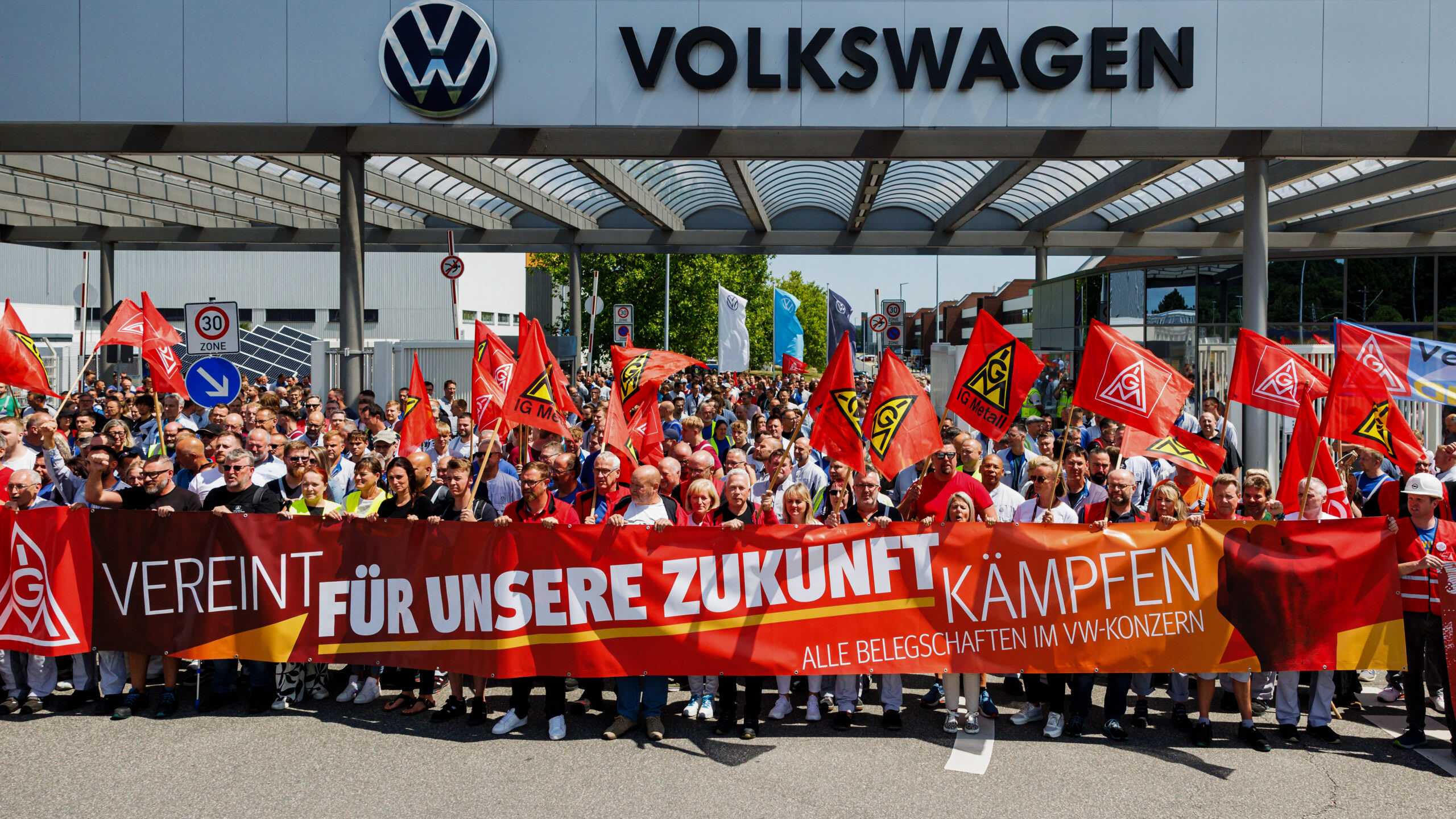
Volkswagen Group, one of the world's largest automotive conglomerates, is currently embroiled in a strategic tug-of-war with its powerful labor unions. The core of the conflict lies in a proposed "streamlining" initiative aimed at drastically reducing the number of vehicle models produced by the company. While the management argues that this move is essential for survival in a rapidly evolving market, the unions view the plan with deep suspicion, fearing that a reduction in product diversity is a precursor to broader workforce reductions.
The Strategy of Complexity Reduction
At the heart of VW's proposal is the goal to produce half as many models as it currently does. In the automotive industry, "complexity" is a primary driver of cost. Maintaining dozens of different chassis, engine configurations, and trim levels across multiple brands (such as VW, Audi, Porsche, and SEAT/Cupra) requires immense logistical overhead and fragmented supply chains. By consolidating its portfolio, VW aims to achieve economies of scale, simplify its manufacturing processes, and redirect capital toward the massive R&D requirements of the electric transition. This "platform sharing" approach is intended to maximize efficiency, allowing the company to produce more vehicles with fewer unique components.
The Union's Skepticism and the "Job Cut" Paradox
Despite VW's explicit statement that the streamlining plan does not currently mention plant closures or job cuts, the unions are not convinced. In the German industrial landscape, the Works Council holds significant power and historically views any reduction in production variety as a threat to job security. The logic is simple: fewer models often lead to fewer production lines, which can eventually lead to redundant labor. Unions argue that the silence on job cuts is a tactical omission rather than a guarantee. They fear that once the model range is slashed, the company will find it easier to justify "optimizing" the workforce to match the new, leaner production scale.
The Shadow of the EV Transition
This internal conflict is set against the backdrop of the most volatile period in automotive history: the shift from Internal Combustion Engines (ICE) to Electric Vehicles (EVs). The transition requires billions of euros in investment while simultaneously managing the decline of traditional engine plants. VW is under immense pressure to compete with lean, software-centric rivals like Tesla and aggressive Chinese manufacturers like BYD, who operate with far fewer models and significantly lower overhead. The streamlining plan is a direct response to this competitive pressure; VW cannot afford the luxury of a bloated portfolio while fighting a multi-front war for EV dominance.
Broader Implications for the Global Auto Industry
VW's struggle is a bellwether for other legacy automakers. For decades, the "more is better" philosophy dominated, with companies offering an endless array of configurations to capture every possible market niche. However, the current economic climate—characterized by fluctuating raw material costs and a shift toward software-defined vehicles—is making this model unsustainable. If VW successfully navigates this disagreement and streamlines its offerings without triggering massive strikes, it will provide a blueprint for other European OEMs to modernize their operations. Conversely, a failure to reach an agreement could lead to industrial unrest that hampers VW's ability to execute its electrification roadmap.
Future Outlook and Potential Resolutions
Looking ahead, it is likely that VW will have to offer formal, legally binding guarantees regarding employment to appease the unions. A potential compromise could involve "upskilling" programs, where workers from discontinued model lines are retrained for EV battery production or software development. However, the fundamental tension remains: the market demands a lean, agile VW, while the workforce demands stability. The outcome of these negotiations will determine whether VW can pivot quickly enough to maintain its global leadership or if it will be slowed down by the very institutional structures that once made it a powerhouse.
Summary
Volkswagen's attempt to halve its model range represents a critical effort to reduce operational complexity and fund its electric future. However, the deep-seated mistrust from labor unions regarding job security creates a significant hurdle. The resolution of this conflict will not only impact VW's bottom line but will signal how the legacy automotive industry balances the need for radical efficiency with the social contract of industrial labor.