‘I don’t fear the night anymore’: Women Uber drivers in Chandigarh seek better support from aggregators
Source Entity
The Indian Express
Intelligence Synthesis
AI-Generated Core Insights
Women Uber drivers in Chandigarh, exemplified by Nisha Sharma, are advocating for improved safety measures and better support from ride-hailing aggregators to navigate the precarious nature of gig work and the risks associated with night-time driving.
The Gendered Struggle of the Gig Economy in Chandigarh
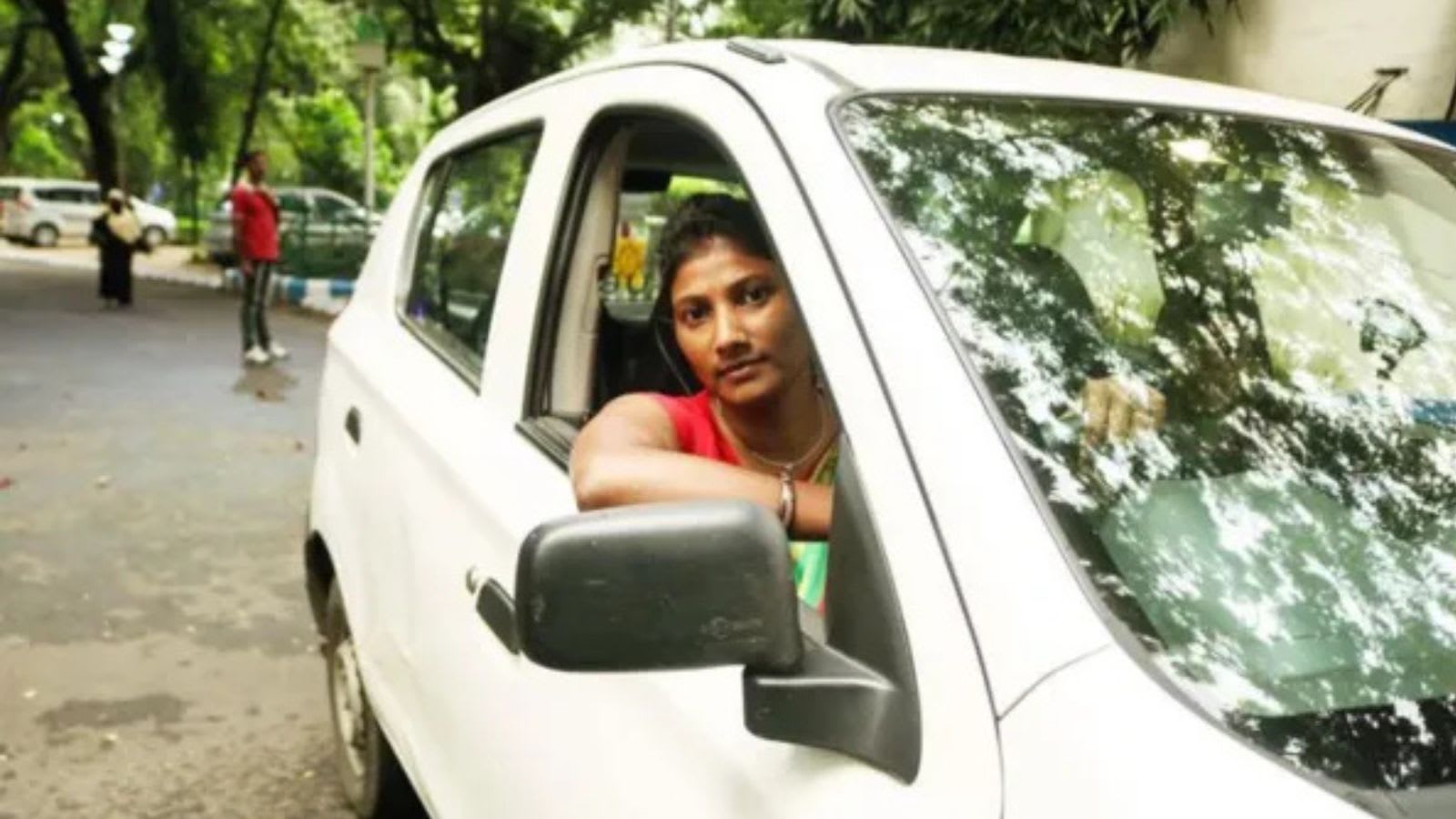
The narrative of Nisha Sharma, a 40-year-old widow in Chandigarh who turns to ride-hailing as a means of survival, serves as a poignant window into the intersection of gender, labor, and urban safety in India. For many women, the flexibility of the gig economy offered by platforms like Uber is not merely a choice but a critical lifeline for financial independence, especially for those facing societal vulnerabilities. However, this independence comes with a significant psychological and physical toll, as these women navigate a professional landscape that was historically designed by and for men.
Safety Concerns and the 'Night-Time' Fear
A central theme in the experiences of these drivers is the pervasive fear associated with night-time operations. While Uber and similar aggregators implement basic safety features—such as GPS tracking and emergency buttons—these tools often fail to address the systemic reality of gender-based harassment and the vulnerability of a woman alone in a vehicle in a city like Chandigarh. The phrase "I don’t fear the night anymore" suggests a hard-won resilience, yet the call for better support indicates that this bravery is currently fueled by necessity rather than a secure environment provided by the employer.
The Economic Precarity of Gig Work
Nisha Sharma's 12-hour workdays highlight the grueling nature of the modern gig economy. In the current aggregator model, drivers are classified as "partners" rather than employees, which allows companies to bypass traditional labor protections, such as fixed wages, health insurance, and regulated working hours. For women drivers, this precarity is magnified; they must work longer hours to achieve the same financial stability as their male counterparts, often balancing these demands with unpaid domestic labor, which further exacerbates their exhaustion and vulnerability.
Systemic Gaps in Aggregator Support
The demand for "better support" from aggregators points to a critical gap in how ride-hailing companies manage their workforce. Current support systems are often automated or detached from the local cultural context of the cities they operate in. There is a pressing need for gender-sensitive support mechanisms, such as dedicated female help-desks, better-coordinated rapid response teams for harassment incidents, and community-building initiatives that allow women drivers to network and support one another in a male-dominated industry.
Broader Implications and Future Trends
Looking forward, this situation in Chandigarh is likely to mirror a broader trend across urban India as more women enter the non-traditional workforce. If aggregators fail to evolve their support structures, we may see a rise in independent, women-led driver cooperatives that prioritize safety and mutual aid over algorithmic efficiency. Furthermore, this pressure may eventually force regulatory bodies to redefine the legal status of gig workers, moving away from the "partner" label toward a model that guarantees basic safety and welfare standards regardless of gender.
Conclusion
Ultimately, the struggle of women drivers in Chandigarh is a call for the humanization of the gig economy. While platforms like Uber provide the infrastructure for employment, they cannot outsource the responsibility of safety and worker well-being. Ensuring that women like Nisha Sharma can drive without fear is not just a matter of corporate social responsibility, but a fundamental requirement for the sustainable growth of the urban mobility sector in India.