Apple lawsuit reveals what ex-iPhone engineer allegedly took before joining OpenAI
Source Entity
TOI TECH DESK
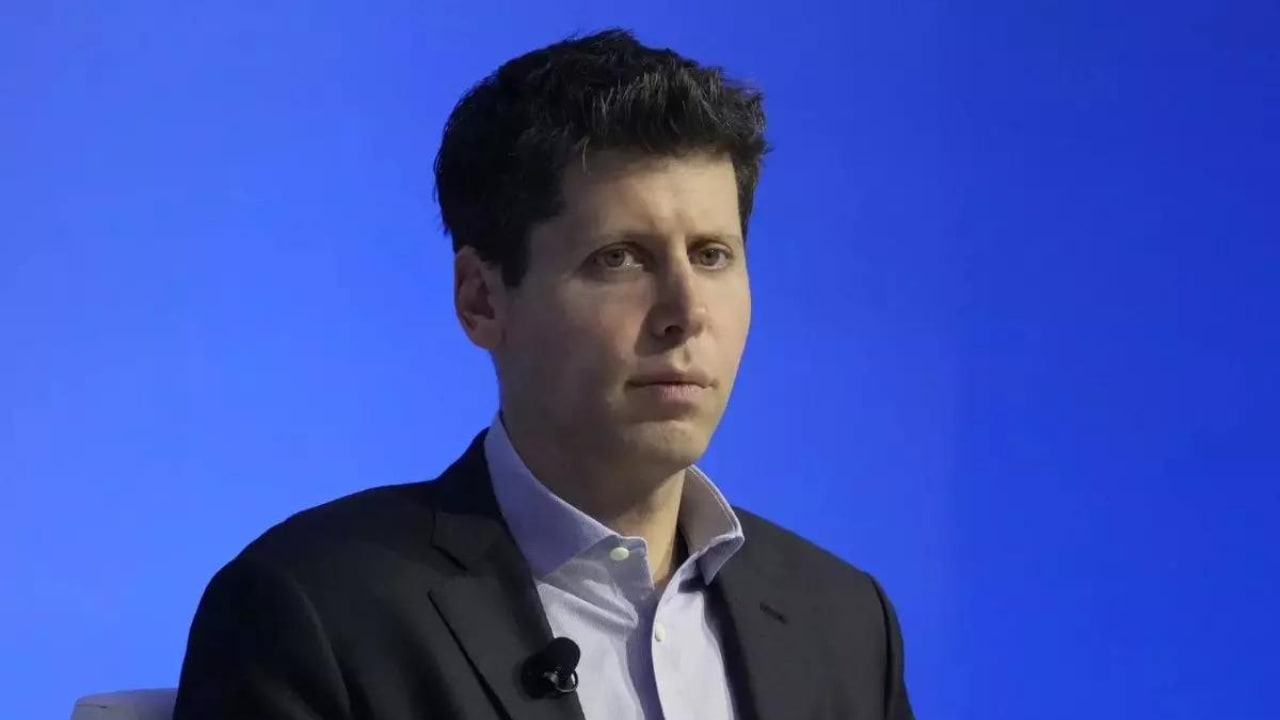
Apple has filed a lawsuit accusing OpenAI of stealing confidential trade secrets. The company alleges a former engineer took sensitive files and knowledge after leaving. OpenAI allegedly encouraged job candidates to share Apple's proprietary information. This information was reportedly used to accelerate OpenAI's own hardware projects. OpenAI denies any interest in acquiring other companies' trade secrets.
Corporate Espionage in the Age of AI: Apple vs. OpenAI
The technology sector is currently witnessing a high-stakes legal collision between two of the most influential entities in the modern computing landscape: Apple and OpenAI. In a recently filed lawsuit, Apple has leveled serious accusations of intellectual property theft against OpenAI, centering on the actions of a former iPhone engineer. This conflict underscores the intensifying competition between established hardware giants and the rapidly ascending AI pioneers, where the boundary between talent acquisition and corporate espionage has become dangerously blurred.
The Core of the Allegation: The "Brain Drain" Risk
At the heart of the dispute is the allegation that a former engineer, previously integral to the development of the iPhone, misappropriated sensitive files and proprietary knowledge upon transitioning to OpenAI. Apple's claims suggest that this was not merely an isolated incident of an employee taking personal notes, but a systematic extraction of trade secrets. The lawsuit specifically highlights a troubling pattern, alleging that OpenAI actively encouraged job candidates to share Apple's proprietary information during the recruitment process. This suggests a strategic intent to bypass years of research and development by leveraging the internal blueprints of a primary competitor.
Accelerating Hardware Ambitions
One of the most critical aspects of this lawsuit is the reported objective behind the theft: the acceleration of OpenAI's hardware projects. While OpenAI is primarily known for its large language models (LLMs) like GPT-4, there has been persistent industry speculation regarding their desire to move into the physical hardware space to reduce dependency on third-party providers like Microsoft or Apple. By allegedly acquiring Apple's hardware secrets—which likely include breakthroughs in chip architecture, power efficiency, or device integration—OpenAI would theoretically be able to compress its hardware development cycle by years, gaining an unfair competitive advantage in a market Apple has dominated for nearly two decades.
The Legal and Ethical Landscape of Silicon Valley
This case reflects a broader, systemic tension within Silicon Valley regarding the "War for Talent." The movement of elite engineers between firms is common, but the legal line is drawn at the misappropriation of trade secrets. Historically, cases like the Google vs. Uber dispute over autonomous vehicle technology (the Levandowski case) have shown how devastating these leaks can be. Apple's aggressive legal stance serves as a warning to other AI firms that the pursuit of "rapid iteration" cannot come at the expense of established intellectual property laws. The ethical implication here is profound: if AI companies are permitted to build their foundations on the stolen blueprints of others, it could stifle genuine innovation in favor of predatory acquisition.
OpenAI's Defense and the Strategic Counter-Narrative
OpenAI has categorically denied any interest in acquiring trade secrets from other companies, framing their growth as the result of internal innovation and the brilliance of their own researchers. From a strategic standpoint, OpenAI must distance itself from these allegations to maintain its reputation as a research-led organization and to preserve its critical partnerships. Any admission or proof of systemic IP theft could jeopardize their standing with regulators and potential enterprise partners who rely on the security and legality of OpenAI's underlying technology.
Future Implications and Industry Outlook
Looking forward, the outcome of this lawsuit will likely dictate how AI companies recruit from legacy tech firms. We can expect to see a surge in more stringent non-disclosure agreements (NDAs) and more aggressive monitoring of departing employees within the tech industry. Furthermore, this legal battle may complicate the delicate partnership between Apple and OpenAI regarding the integration of AI into Apple's ecosystem. If the relationship sours further due to litigation, Apple may be forced to accelerate its own in-house LLM development to avoid reliance on a company it views as a corporate adversary.
Conclusion
This lawsuit is more than a simple employment dispute; it is a battle over the fundamental blueprints of the next generation of computing. By alleging that OpenAI used stolen iPhone secrets to jumpstart its hardware ambitions, Apple is fighting to protect its most valuable asset: its proprietary engineering. Whether this ends in a quiet settlement or a public trial, it marks a pivotal moment in the rivalry between the masters of hardware and the architects of artificial intelligence.