PM Modi’s Statehood promise should carry weight: Omar Abdullah
Source Entity
India Latest News: Top National Headlines Today & Breaking News | The Hindu
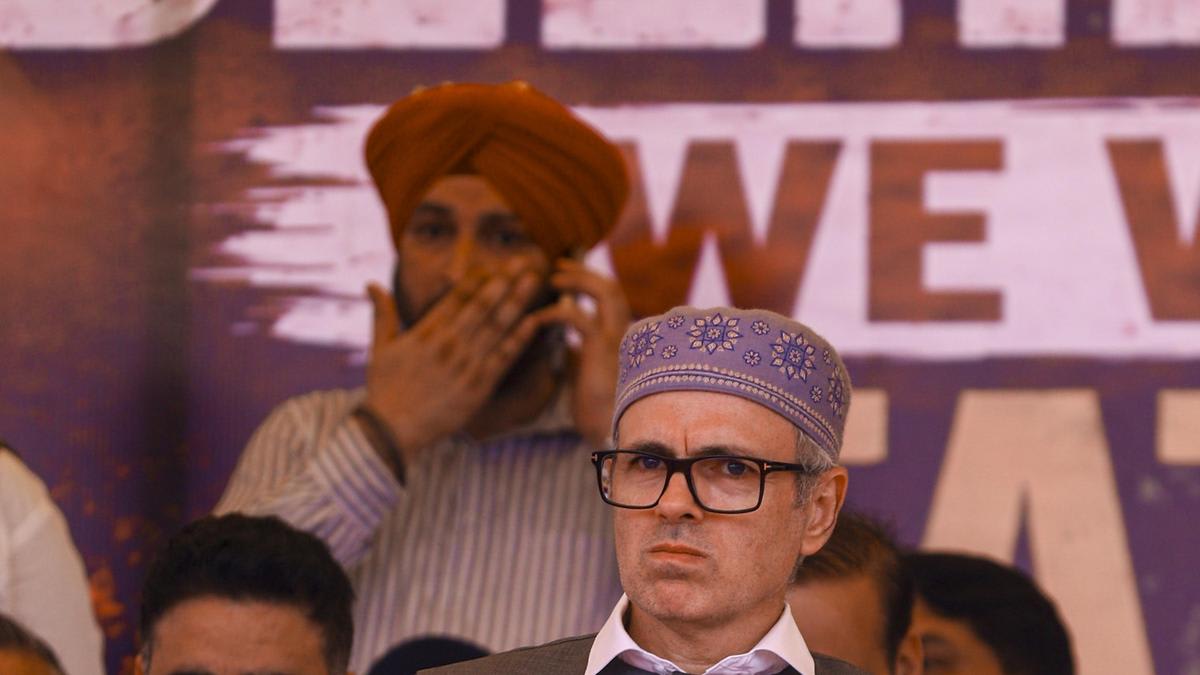
National Conference has announced a sit-in at New Delhi’s Jantar Mantar on July 20, the first day of the Monsoon Session of Parliament, to demand restoration of Statehood and constitutional safeguards
Political Mobilization in the Capital: Omar Abdullah's Push for J&K Statehood
The announcement by the National Conference (NC) to hold a sit-in at Jantar Mantar on July 20 marks a significant escalation in the political discourse surrounding the status of Jammu and Kashmir. By scheduling this protest to coincide with the first day of the Monsoon Session of Parliament, Omar Abdullah is strategically leveraging the national spotlight to hold the Central Government accountable for its promises. This move is not merely a local grievance but a calculated political maneuver designed to bring the issue of J&K's administrative status to the forefront of the national legislative agenda.
The Core Struggle: Statehood and Constitutional Safeguards
At the heart of this protest is the demand for the restoration of statehood and the implementation of constitutional safeguards. Following the abrogation of Article 370 in August 2019, Jammu and Kashmir was downgraded from a state to a Union Territory (UT), a move that stripped the region of its special autonomous status and shifted significant governing powers to the Central Government in New Delhi. For leaders like Omar Abdullah, the transition to a UT is an unsustainable arrangement that undermines the democratic aspirations of the local population. The demand for "constitutional safeguards" refers to the desire for specific protections that would ensure the region's identity and land rights are preserved, mirroring some of the protections that existed prior to 2019.
Strategic Timing and Symbolic Location
The choice of Jantar Mantar as the venue is deeply symbolic. As the traditional hub for peaceful protests in the heart of India's capital, Jantar Mantar provides a visible platform that forces the government and the media to acknowledge the dissent. Furthermore, timing the event with the Monsoon Session of Parliament is a tactical decision. By protesting while lawmakers are convening, the National Conference aims to pressure members of Parliament to raise the issue during debates, effectively turning a street protest into a legislative conversation. This synchronization ensures that the demand for statehood is not sidelined as a regional issue but is treated as a critical national political priority.
Accountability and the Prime Minister's Promise
Omar Abdullah's assertion that PM Modi’s statehood promise "should carry weight" points to a perceived gap between the government's rhetoric and its actions. The Central Government has previously indicated in various forums, including the Supreme Court, that statehood would be restored at an "appropriate time." However, the lack of a concrete timeline or a roadmap for this transition has led to growing frustration among regional political stakeholders. By explicitly calling out the Prime Minister, Abdullah is attempting to personalize the accountability, framing the restoration of statehood as a matter of trust and credibility for the highest office in the land.
Broader Implications for Regional Stability
The restoration of statehood is seen by many analysts as a prerequisite for the return to full normalcy and political stability in the region. The current UT administration, while focusing on security and infrastructure, is often viewed as lacking the local legitimacy that an elected state government would possess. The ongoing tension between the desire for local autonomy and the center's desire for tighter control continues to shape the socio-political landscape of J&K. If the demands of the National Conference and other regional parties remain unaddressed, it could lead to further political polarization and alienation among the youth and political class in the valley.
Conclusion: A Critical Juncture for J&K Politics
In summary, the upcoming sit-in at Jantar Mantar is a pivotal moment for the National Conference to reassert its role as a primary voice for Jammu and Kashmir's political rights. By linking the protest to the Parliamentary session and the Prime Minister's previous assurances, Omar Abdullah is attempting to bridge the gap between grassroots agitation and high-level policy change. Whether this mobilization will lead to a tangible shift in the Central Government's stance remains to be seen, but it underscores the persistent and urgent demand for a return to constitutional statehood in the region.
Verification Required?