Piyush Goyal | Crisis manager
Source Entity
India Latest News: Top National Headlines Today & Breaking News | The Hindu
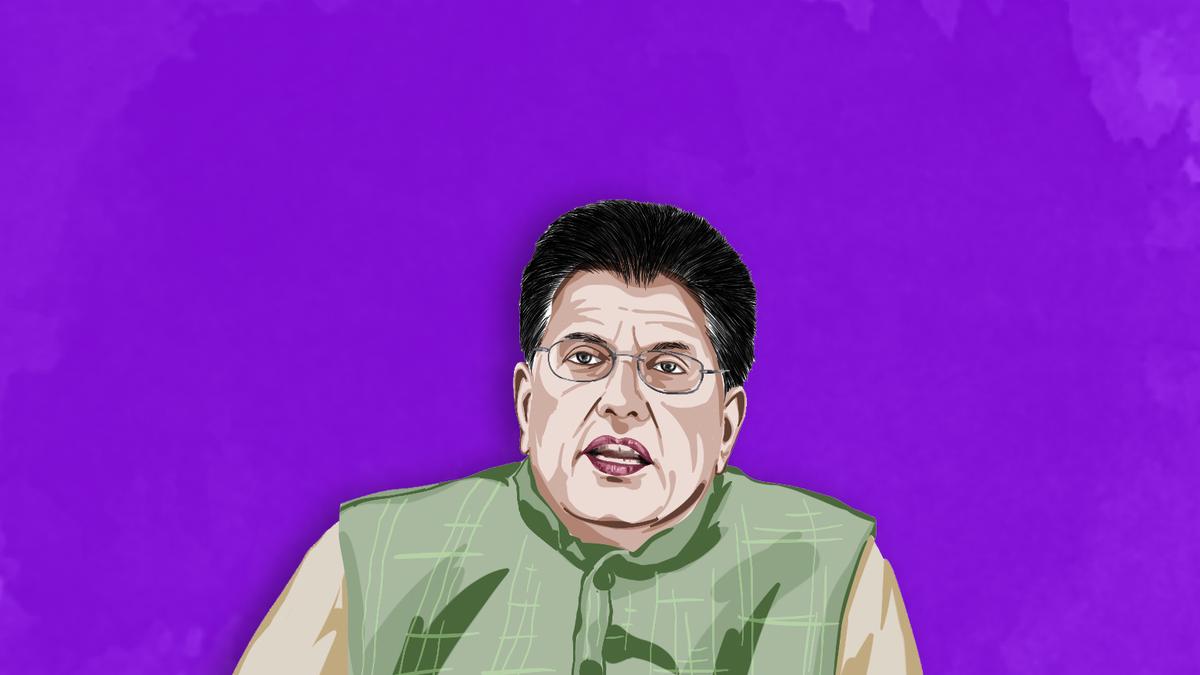
The Commerce Minister finds himself on the frontline when the government is busy defending the U.S. trade deal which critics say is one-sided
Piyush Goyal: The Frontline Defender of Indo-US Trade
Commerce Minister Piyush Goyal has emerged as the central figure in the Indian government's effort to navigate a complex diplomatic and economic storm. As the primary point of contact for trade negotiations, Goyal is currently operating as a 'crisis manager,' tasked with the difficult job of defending a trade deal with the United States that has come under intense scrutiny. The core of the controversy lies in the perception that the agreement is 'one-sided,' favoring American interests over Indian economic priorities, thereby placing the Minister in a position where he must balance international diplomacy with domestic political pressure.
The Anatomy of the 'One-Sided' Critique
The accusation that the trade deal is one-sided typically stems from imbalances in market access, tariff structures, and intellectual property rights. Critics argue that while the United States may gain easier access to Indian markets for its agricultural products or digital services, India may not be receiving reciprocal concessions in key areas such as H-1B visa quotas or the removal of tariffs on Indian steel and aluminum. For Goyal, the challenge is not merely technical but rhetorical; he must articulate a narrative where the long-term strategic benefits of the partnership outweigh the immediate, perceived imbalances in the trade ledger.
Crisis Management in Economic Diplomacy
Being labeled a 'crisis manager' suggests that the government is currently in a defensive posture. Goyal's strategy involves a combination of high-level diplomatic engagement and public reassurance. By taking the 'frontline,' he shields other cabinet members from the brunt of the criticism while attempting to redefine the terms of the deal's success. This role requires a delicate touch—acknowledging the concerns of domestic industry stakeholders and critics while simultaneously ensuring that the relationship with the U.S., a critical strategic partner, does not deteriorate due to trade frictions.
Strategic Imperatives of US-India Relations
To understand the urgency of Goyal's position, one must look at the broader geopolitical context. The trade deal is not occurring in a vacuum; it is part of a wider strategic alignment between New Delhi and Washington aimed at balancing regional power dynamics in Asia. Because the U.S. is one of India's largest trading partners, any failure to reach a sustainable agreement could hinder foreign direct investment (FDI) and technological transfers. Goyal is essentially managing the trade aspect of a much larger security and political architecture, making the 'crisis' more about stability than just a list of tariffs.
A Legacy of Trade Friction
Historically, trade relations between India and the U.S. have been characterized by a cycle of cooperation and conflict. From the removal of India's Generalized System of Preferences (GSP) status in previous years to disputes over dairy imports and medical devices, the two nations have often struggled to find a middle ground. This historical baggage informs the current skepticism from critics. Goyal is not just fighting the current narrative of this specific deal, but is also battling a long-standing perception that the U.S. leverages its economic dominance to secure unfavorable terms for its partners.
Navigating Future Economic Diplomacy
Looking forward, the outcome of Goyal's current crisis management efforts will likely set the template for future Indian trade negotiations. If the government successfully defends the deal and demonstrates tangible benefits, it will validate a more aggressive, strategic approach to trade. However, if the 'one-sided' narrative persists, it may force a renegotiation of specific clauses to appease domestic lobbies. The trend suggests a shift toward 'mini-deals' or sectoral agreements rather than sweeping comprehensive treaties, allowing the government to secure wins in specific areas without exposing the entire economy to unfavorable terms.
Conclusion
In summary, Piyush Goyal's role as the frontline defender of the U.S. trade deal is a high-stakes exercise in political and economic balancing. By acting as the government's crisis manager, he is tasked with transforming a perceived liability into a strategic asset. The success of his efforts will depend on his ability to prove that the deal provides a net positive for India's growth, ensuring that the pursuit of global strategic alignment does not come at the cost of domestic economic sovereignty.
Verification Required?