'Exceptional' wildfire risk for parts of UK as heat health alerts issued
Source Entity
BBC News
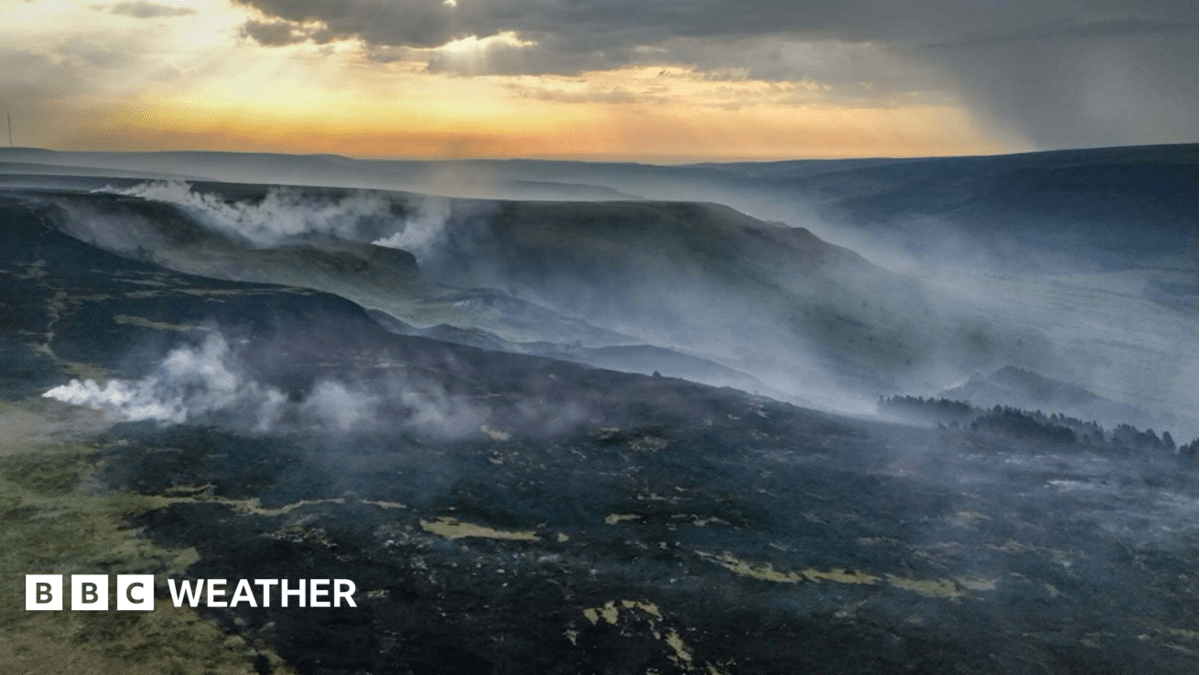
The warnings come as parts of the UK are set to enter their second week of temperatures above the heatwave threshold.
UK Faces Crisis as Prolonged Heatwave Triggers 'Exceptional' Wildfire Risk
Parts of the United Kingdom are currently grappling with a severe meteorological crisis as the nation enters its second consecutive week of temperatures exceeding the official heatwave threshold. The combination of sustained high temperatures and a lack of significant precipitation has led authorities to issue an "Exceptional" wildfire risk warning. This designation is one of the highest possible alerts, signaling a critical state where the landscape is primed for rapid fire ignition and spread, posing an immediate threat to both rural communities and biodiversity.
The Science of Sustained Heat and Fire Risk
When temperatures remain above the heatwave threshold for an extended period, the primary driver of wildfire risk is the depletion of soil moisture and the desiccation of surface vegetation. In the UK, where the landscape is often characterized by peatlands and dense grasslands, a second week of intense heat creates a "tinderbox" effect. The organic matter in the soil dries out, turning living greenery into volatile fuel. This creates a dangerous feedback loop: as the ground dries, the air becomes drier, further accelerating the evaporation of moisture from plants, which in turn increases the likelihood that a single spark—whether from a discarded cigarette, a campfire, or electrical failure—could ignite a catastrophic blaze.
Public Health Implications and Infrastructure Strain
Parallel to the environmental threat, the issuance of heat health alerts underscores a growing public health emergency. Unlike southern European nations, the UK's infrastructure is historically designed to retain heat rather than expel it. Residential housing, particularly older stock, often lacks adequate ventilation or cooling systems, leading to the "urban heat island" effect where cities remain dangerously hot even overnight. This puts immense pressure on the National Health Service (NHS), as heat-related illnesses such as heatstroke and dehydration spike, particularly among the elderly and those with pre-existing respiratory or cardiovascular conditions.
Historical Context and the New Climate Normal
Historically, the UK has experienced occasional heatwaves, but the frequency and intensity of these "exceptional" events have shifted in recent years. The transition from rare anomalies to recurring seasonal threats suggests a broader climatic shift. The current event reflects a trend where high-pressure systems "block" cooler Atlantic air from reaching the British Isles, trapping hot air from the continent. This pattern is becoming more common, forcing a re-evaluation of how the UK manages its land and protects its citizens from extreme thermal stress.
Future Trends and Adaptation Strategies
Looking forward, this event serves as a catalyst for urgent adaptation. The UK will likely need to invest more heavily in specialized wildfire firefighting equipment and training, moving toward a model more common in Mediterranean climates. Furthermore, urban planning must pivot toward "green infrastructure," incorporating more canopy cover and permeable surfaces to mitigate heat. The recurring nature of these alerts suggests that "heatwave readiness" will soon become a permanent fixture of UK emergency planning, rather than a reactive measure to occasional spikes in temperature.
Conclusion
In summary, the current intersection of "Exceptional" wildfire risks and critical health alerts represents a multifaceted emergency. The prolonged duration of the heatwave has pushed the environment and the healthcare system to a breaking point. While immediate efforts are focused on containment and public safety, the long-term implication is clear: the UK must fundamentally adapt its infrastructure and emergency protocols to survive a future defined by more frequent and more intense heat events.