'It's me, hi, I'm the problem': CJP's Dipke uses Taylor Swift's 'Anti-hero' song to target Dharmendra Pradhan
Source Entity
Latest News: Today's Latest News Headlines from India & World | Hindustan Times | Hindustan Times
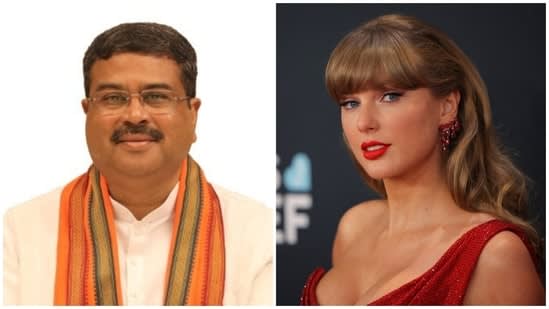
A video shared by Abhijeet Dipke syncs clips of Dharmendra Pradhan while showing PM Modi during the line, ‘At tea time.’
The Intersection of Pop Culture and Political Satire
In a striking example of modern digital activism, Abhijeet Dipke, associated with the organization Citizens for Justice and Peace (CJP), has utilized the global reach of pop culture to deliver a pointed political critique. By leveraging Taylor Swift's hit song "Anti-hero," Dipke created a synchronized video targeting Union Minister Dharmendra Pradhan and Prime Minister Narendra Modi. This method of "meme-ification" represents a shift in how political dissent is articulated in India, moving away from traditional long-form essays or protests toward short, algorithm-friendly content designed for maximum viral potential.
Decoding the Satirical Mechanism
The choice of "Anti-hero" is particularly strategic. The song's central hook, "It's me, hi, I'm the problem," serves as a sarcastic admission of guilt or failure, which Dipke projects onto the political figures in the video. The most critical element of the video is the synchronization of clips with the lyric "At tea time." In the context of Indian politics, "tea" is not merely a beverage but a potent symbol of Prime Minister Narendra Modi's personal narrative and political identity as a former chaiwala (tea seller). By syncing this specific line with imagery of the Prime Minister and Minister Pradhan, the video attempts to turn a cornerstone of the government's identity narrative into a tool for mockery and critique.
The Strategic Evolution of CJP's Outreach
Citizens for Justice and Peace (CJP) has historically been known for its rigorous legal battles and human rights advocacy. The transition toward using satirical, music-driven social media content suggests a tactical evolution in their communication strategy. By adopting the language of Gen Z and Millennials—specifically through the lens of "Swiftie" culture—CJP is attempting to bridge the gap between complex legal/political grievances and a younger demographic that consumes information in bite-sized, entertaining formats. This approach allows the organization to bypass traditional media gatekeepers and inject their critique directly into the social media feeds of a wider audience.
Political Implications for the Targeted Figures
The targeting of Dharmendra Pradhan, a key strategist and minister within the BJP, alongside the Prime Minister, indicates an attempt to highlight the perceived failures of the administration's executive arm. The use of humor and irony in this context is designed to diminish the perceived aura of invincibility surrounding high-ranking officials. When political figures are placed within the framework of a pop song, it strips away the formality of their office, making them appear more vulnerable to public ridicule and critique, which is a classic goal of political satire.
The Global Trend of Digital Dissent
This event is not an isolated incident but part of a broader global trend where pop music is used to soundtrack political unrest or dissatisfaction. From the use of TikTok sounds during global protests to the integration of chart-topping hits in political campaigns, audio has become a primary driver of political sentiment. Dipke's use of Taylor Swift—an artist with an unprecedented global influence—aligns the local Indian political struggle with a global aesthetic of dissent, making the critique feel contemporary and culturally relevant.
Predicting Future Trends in Political Communication
Looking forward, it is highly probable that political communication in India will continue to move toward this hybrid model of entertainment and activism. We can expect to see an increase in the use of AI-generated content, deep-synced audio, and pop-culture references to frame political narratives. As the digital divide narrows, the ability to create "shareable" content will become as important as the policy arguments themselves. The "Anti-hero" video serves as a blueprint for how future opposition movements may use cultural touchstones to challenge state narratives.
Conclusion
Abhijeet Dipke's video is more than a simple social media post; it is a calculated piece of political communication that blends identity politics, pop culture, and digital strategy. By repurposing a global hit to target Dharmendra Pradhan and PM Modi, Dipke has demonstrated how the tools of entertainment can be weaponized to deliver sharp political commentary, signaling a new era of digital warfare in the Indian political landscape.
Verification Required?