Amid ‘Satluj’ storm in Punjab, why CM Bhagwant Mann remains silent
Source Entity
Kanchan Vasdev
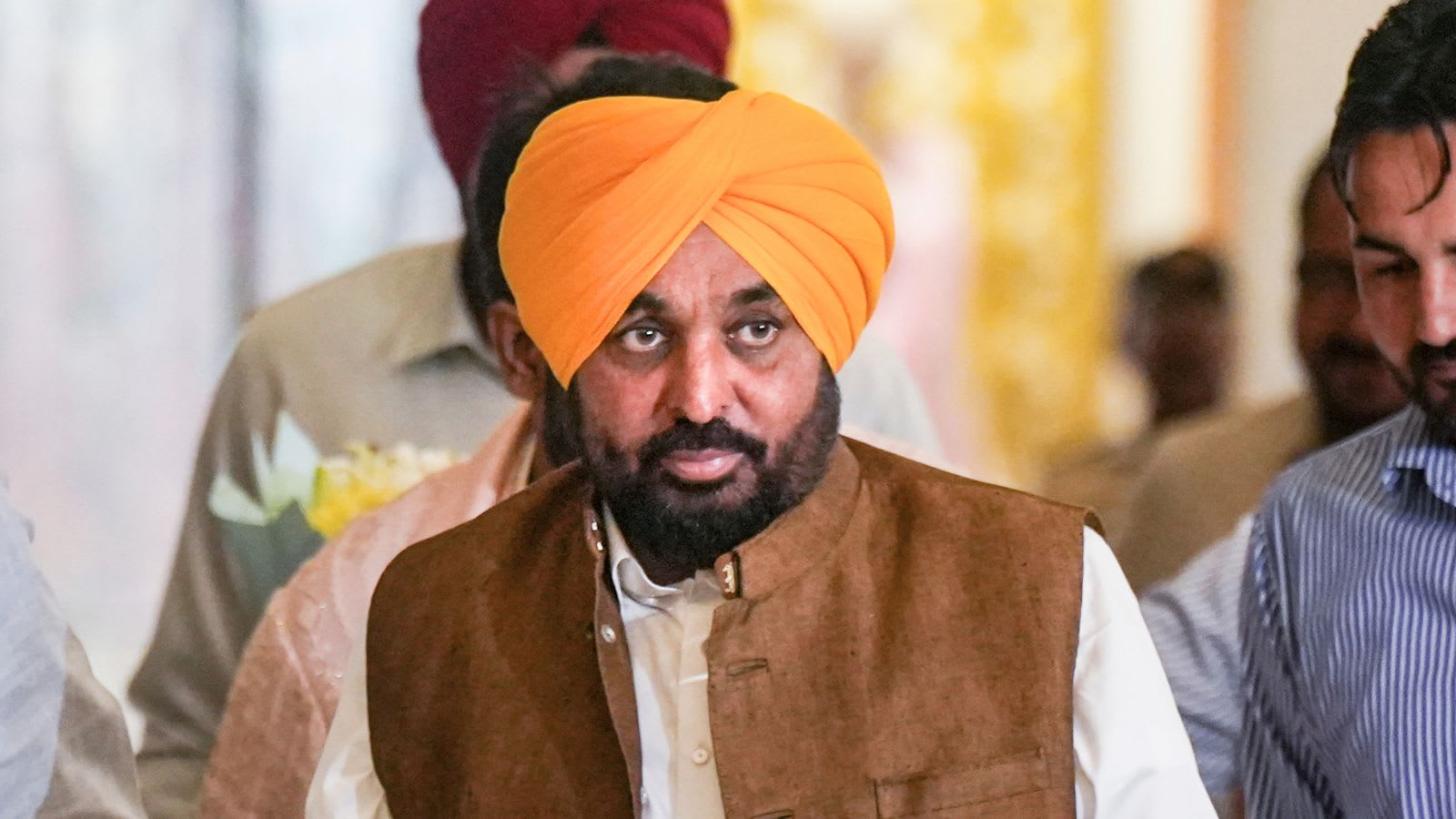
Amid a raging political storm in Punjab in the wake of removal of the film “Satluj” from an OTT platform just two days after its release on July 3, Chief Minister Bhagwant Mann has largely stayed away...
The 'Satluj' Controversy: Censorship and Political Silence in Punjab
The sudden removal of the film Satluj from an OTT platform, occurring a mere 48 hours after its premiere on July 3, has ignited a significant political firestorm in Punjab. This event has transitioned from a matter of cinematic distribution to a larger debate regarding freedom of expression and the influence of the state government over digital content. The core of the controversy lies not just in the removal of the film, but in the conspicuous silence of Chief Minister Bhagwant Mann, whose lack of public commentary is being interpreted by political opponents as tacit approval of censorship.
The Dynamics of Digital Censorship
The removal of content from Over-the-Top (OTT) platforms in India has become an increasingly volatile issue. Unlike traditional cinema, which undergoes a rigorous process via the Central Board of Film Certification (CBFC), OTT platforms have historically operated with more flexibility, though they are now subject to the Information Technology (Intermediary Guidelines and Digital Media Ethics Code) Rules, 2021. The case of Satluj highlights the vulnerability of regional content to sudden withdrawals, which often occur due to pressure from state authorities or fear of law-and-order disturbances. When a film is pulled so shortly after release, it typically suggests an external intervention rather than a technical or contractual glitch, fueling suspicions of political motivation.
Analyzing CM Bhagwant Mann's Silence
Chief Minister Bhagwant Mann's decision to remain silent amid this turmoil is a strategic point of contention. In the high-stakes environment of Punjab politics, silence can be perceived in two ways: as a calculated effort to avoid escalating a niche controversy or as an admission of involvement in the film's removal. For a leader who rose to prominence partly through satire and artistic expression, the perceived suppression of a creative work creates a narrative contradiction. The opposition is leveraging this silence to paint the current administration as intolerant of critical or provocative narratives that might challenge the state's political status quo.
Historical and Cultural Context of Punjab
Punjabi cinema and art have a long history of being deeply intertwined with political activism and social commentary. From the struggles of the agrarian sector to the complexities of regional identity, the state's creative output often serves as a mirror to its political unrest. Consequently, any move that appears to stifle a creative voice is rarely viewed as an isolated incident; instead, it is seen as part of a broader pattern of controlling the narrative within the state. The reaction to Satluj is therefore amplified by a cultural sensitivity toward intellectual freedom and the right to dissent.
Broader Political Implications and Future Trends
Looking forward, this incident is likely to set a precedent for how the Punjab government handles digital media that may be deemed sensitive. If the administration continues to maintain a policy of silence or indirect intervention, it may lead to a 'chilling effect' among regional filmmakers, who might begin self-censoring to avoid financial losses associated with sudden platform removals. Furthermore, this issue could become a rallying point for opposition parties to accuse the AAP government of deviating from its promises of transparency and democratic openness.
Summary
The Satluj incident is more than a dispute over a movie; it is a litmus test for the Punjab government's stance on free speech in the digital age. The combination of rapid content removal and the Chief Minister's refusal to address the issue has created a political vacuum now being filled by accusations of censorship and authoritarianism. As the digital landscape continues to evolve, the intersection of state power and creative liberty will remain a critical flashpoint in Punjab's political discourse.